Neuro feedback for Dementia

A Personalized Path to Dementia Prevention and Support

Bhakti Brain Health Clinic

dementiacover book ipad

Copyright

Copyright © 2025 by Bhakti Brain Health Clinic
All rights reserved.

No portion of this book may be reproduced in any form without written permission from the publisher or author, except as permitted by U.S. copyright law.

This publication is designed to provide accurate and authoritative information regarding the subject matter covered. It is sold with the understanding that neither the author nor the publisher is engaged in rendering legal, investment, accounting, or other professional services.

While the publisher and author have used their best efforts in preparing this book, they make no representations or warranties concerning the accuracy or completeness of the book’s contents and specifically disclaim any implied warranties of merchantability or fitness for a particular purpose. No warranty may be created or extended by sales representatives or written sales materials.

The advice and strategies contained herein may not be suitable for your situation. You should consult with a professional when appropriate. Neither the publisher nor the author shall be liable for any loss of profit or other commercial damages, including but not limited to special, incidental, consequential, personal, or other damages.

For permissions, inquiries, or additional resources, contact:
Email: neurofeedback@bhakticlinic.com

PART I: What’s Going On in the Brain?

  • Understanding Dementia: It’s Not Just Getting Old
  • Alzheimer’s Disease and Other Types
  • Why Early Symptoms Are Often Missed
  • The Decades-Long Journey Toward Decline
  • What Brain Scans and Biomarkers Reveal
  • Why Catching It Early Matters
  • A Tangled Web: What Causes the Brain to Break Down?
  • Protein Build-Up: The Disruptors of Communication
  • Energy Loss in Brain Cells: The “Metabolic Crash”
  • Poor Blood Flow: Starving the Brain of Oxygen and Nutrients
  • Chronic Inflammation: The Brain Under Siege
  • Sleep Disruption: Losing the Brain’s Nightly Cleaning Cycle
  • The “Roof with Many Holes”

PART II: The New Science of Brain Health

  • Your Brain’s Power Supply: Mitochondria & Energy
  • Why the Brain Is an Energy Hog
  • When Mitochondria Begin to Fail
  • How This Connects to Memory, Focus, and Brain Fog
  • The Opportunity for Support
  • Imaging the Invisible: Seeing Brain Health in Real Time
  • What Is Brain Imaging?
  • How Neuroimaging Helps Spot Problems Early
  • What Brain Waves Can Reveal
  • Turning Insight into Action

PART III: Changing the Brain from the Inside Out

  • What Is Neurofeedback? (And How Can It Help Me?)
  • How Neurofeedback Trains Brain Waves
  • Dementia-Specific Benefits
  • A Gentle, Adaptable Approach
  • Gamma Waves: The Brain’s Synchronization Rhythm
  • What Are Gamma Waves?
  • How Dementia Disrupts Gamma Rhythms
  • Light and Sound Stimulation at 40 Hz: The Research
  • Why Gamma Entrainment Works
  • Integrating Gamma Stimulation into Brain Health Plans
  • BBHC’s Approach: Combining Neurofeedback, Gamma Stimulation, and Imaging
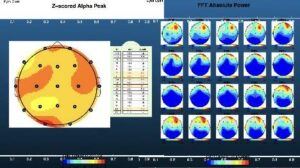
  • Using qEEG Brain Maps to Guide Training
  • Step-by-Step: Assessment to Training
  • Integrating Light Therapy and Audio Entrainment

PART IV: Supporting Brain Recovery with Science-Based Strategies

  • Light Therapy: Shining a Light on Brain Health
  • How Near-Infrared and Red Light Support Brain Cells
  • The Science of Photobiomodulation for Dementia
  • How BBHC Integrates Light Therapy into Brain Care
  • Sound Stimulation and Audio Entrainment
    Combining Sound with Neurofeedback for
  • Deeper Results
  • Everyday Applications for Home Use
  • Getting Started with Brain-Based Care
  • What to Expect: Timeline, Progress, and Support
  • Your Brain Can Heal, With the Right Tools
  • Hope Through Neuroscience
  • The Earlier, the Better—But It’s Never Too Late
  • How BBHC Can Help Guide the Journey
  • How to Book a Consultation

Glossary of Key Terms

About the Author

Bhakti Brain Health Clinic is a dedicated brain health practitioner with a passion for helping individuals preserve and restore cognitive function at every stage of life. With extensive training in neurofeedback, brain mapping, and neurotherapy, they have worked with clients facing a wide range of cognitive challenges, from early memory loss to the later stages of dementia.

Their work is grounded in a belief that no two brains are alike and that lasting improvement comes from understanding the brain’s unique patterns. By combining advanced neuroimaging tools with personalized neurofeedback training, BBHC helps clients retrain brain activity, enhance mental clarity, and improve overall quality of life.

Drawing on the latest research in neuroscience, BBHC also integrates complementary methods, including gamma wave stimulation, light therapy, and lifestyle guidance. These evidence-based approaches are designed not only to address symptoms but also to target the root causes of cognitive decline, including in ammation, poor sleep, and reduced brain energy production.

BBHC has seen countless examples of how the brain can change, even in the face of long-standing challenges. They have guided individuals and families through their most dif cult moments, offering both practical tools and a compassionate presence.

This eBook re ects their mission: to make brain science accessible, to give people clear and hopeful options, and to help each reader take informed steps toward a healthier and more resilient mind.

Foreword

For many families, the first signs of dementia arrive quietly—a misplaced set of keys, a forgotten appointment, or a story repeated one time too many. These moments are often dismissed as a normal part of aging. Yet for those who have walked alongside a loved one through cognitive decline, the truth becomes painfully clear: dementia is not simply a natural part of growing older. It is a complex, progressive condition that can steal memories, relationships, and independence.

In recent years, science has begun to reveal a different story—one of hope. Dementia is not an unavoidable fate, nor is it a problem without solutions. Advances in neuroscience, brain imaging, and neurofeedback have shown that the brain is remarkably adaptable, even later in life. With the right tools, it is possible to enhance cognitive function, slow cognitive decline, and improve overall well-being.

Bhakti Brain Health Clinic, drawing on years of experience in brain health, understands that no two brains are the same. Every individual’s cognitive challenges have unique contributing factors, and every path toward improvement requires a personalized approach. This belief is central to their practice: combining advanced neuroimaging to “see” the brain in action with neurofeedback to gently train it toward healthier patterns. When appropriate, these methods are supported by complementary interventions that address the underlying contributors to brain decline.

This eBook was created with a single purpose: to help readers understand dementia from a fresh, empowering perspective. It explains how dementia develops over decades, what modern brain science now reveals about its root causes, and how emerging approaches can make a meaningful difference. It is not written to frighten or overwhelm, but to educate, clarify, and encourage.

Within these pages, readers will find both clarity and compassion. Each chapter blends the latest research with practical insight, enabling anyone—whether experiencing symptoms themselves, supporting a loved one, or simply seeking to protect brain health—to take informed, confident steps forward.

This is more than a guide about dementia. It is an invitation to see the brain as capable of change. It is a reminder that even in the face of cognitive challenges, there are ways to cultivate clarity, memory, and vitality. And it stands as a testament to a growing, science-backed belief: brain health can be supported and improved at any stage of life.

Introduction

For many people, the word dementia brings an immediate sense of fear—fear of losing cherished memories, independence, and the ability to connect with loved ones. It is often seen as an inevitable part of aging, a silent thief that arrives without warning. But dementia is far more than a simple memory problem. It is a complex brain health crisis that develops over decades, long before symptoms become obvious.

Scientific research now paints a clearer picture: the biological changes that lead to dementia can begin 10, 20, or even 30 years before a diagnosis is ever made. These changes—affecting brain energy production, protein buildup, blood flow, inflammation, and communication between brain cells—progress quietly over time. Eventually, the signs can no longer be ignored, and by that point, much of the damage may already be established.

Yet this understanding is not a cause for despair. In fact, it is the foundation for hope. Knowing that dementia develops slowly means there is time to act—time to detect changes earlier, time to support the brain’s resilience, and time to slow or even partially reverse some of its effects. Advances in neuroimaging now allow clinicians to “see” patterns of brain activity and identify warning signs before they become disabling. Neurofeedback and other targeted therapies can then help retrain the brain, strengthen neural networks, and improve functions that matter most in daily life.

This guide was written to help readers understand what is happening inside the brain, why dementia develops, and how science-backed interventions can make a meaningful difference. Each chapter explains these processes in clear, accessible language, blending current research with practical insight.

Whether someone is noticing early memory lapses, supporting a loved one, or simply seeking to protect their brain health, the information in these pages offers a path forward. The emphasis is on early detection, personalized care, and the understanding that every brain retains the capacity for change.

Hope in the face of dementia is not wishful thinking. It is grounded in science, guided by evidence, and strengthened by the experiences of individuals who have seen real improvement. This eBook is both a source of knowledge and a message of encouragement: with the right tools and support, it is possible to nurture clarity, strengthen memory, and improve quality of life at any stage of the journey.

PART I: What’s Going On in the Brain?

Chapter 1 Understanding Dementia: It’s Not Just Getting Old

Is it really just “getting older” when someone forgets familiar names?

Dementia is often misunderstood.

To many people, it is seen as a natural part of growing older—an inevitable fading of memory and mental sharpness. In reality, dementia is not a normal part of aging. It is a group of medical conditions that damage brain cells and impair the ability to think, remember, reason, and carry out daily activities.

At its core, dementia describes a collection of symptoms, including memory loss, confusion, and changes in language, mood, and behavior. These symptoms arise from underlying brain damage. While the causes of that damage vary, the common thread is the breakdown of brain networks that once worked seamlessly together. Healthy aging may involve slower recall or occasional forgetfulness, but dementia causes a level of decline that interferes with independence and quality of life.

Alzheimer’s Disease and Other Types

The most common cause of dementia is Alzheimer’s disease, which accounts for approximately 60 to 80 percent of cases. Alzheimer’s is characterized by the buildup of abnormal proteins in the brain—amyloid-beta plaques outside nerve cells and tau tangles inside them. These changes disrupt communication between neurons and eventually lead to cell death. Importantly, this process develops slowly, often beginning decades before symptoms become noticeable.

Other types of dementia include:

  • Vascular dementia, caused by reduced blood flow to the brain, often following a stroke or resulting from chronic conditions such as high blood pressure and atherosclerosis.

  • Lewy body dementia, associated with abnormal clumps of the protein alpha-synuclein, leading to movement difficulties, vivid visual hallucinations, and fluctuations in attention and alertness.

  • Frontotemporal dementia, which affects the frontal and temporal lobes of the brain and often presents with changes in personality, behavior, or language before memory problems become prominent.

  • Mixed dementia, in which more than one type of dementia occurs together—most commonly Alzheimer’s disease combined with vascular damage.

While the underlying causes differ, the outcome is similar: a progressive loss of brain function that disrupts daily living.

Why Early Symptoms Are Often Missed

dfsdfhfd

One of the greatest challenges in dementia care is that early signs are subtle and easily dismissed. Small changes—such as misplacing items, forgetting appointments, struggling to find the right word, or losing track of time—are often attributed to stress, fatigue, or “just getting older.”

In the earliest stages, the brain can compensate for damage by rerouting functions to healthier regions. As a result, a person may appear to function normally on the surface while disease processes quietly progress underneath. By the time symptoms become obvious enough to prompt medical attention, significant—and sometimes irreversible—brain damage may have already occurred.

This is why early detection is essential. Modern neuroimaging and brainwave analysis can identify abnormal patterns long before severe memory problems appear. Distinguishing between normal aging and dementia-related changes allows intervention to begin earlier, when it has the greatest potential to slow progression and preserve function.

Understanding that dementia is not simply “old age,” but a disease process, is the first step toward effective prevention, treatment, and support. In the chapters ahead, the focus will turn to what happens inside the brain in the years before symptoms emerge—and how today’s technology makes it possible to detect and address these changes sooner than ever before.

Chapter 2 The Decades-Long Journey Toward Decline

Could brain changes be quietly taking place right now without a single memory lapse? Science says yes—and this is why early detection makes all the difference.

Dementia does not arrive suddenly. For most people, the changes that eventually lead to a diagnosis begin quietly, sometimes 10, 20, or even 30 years earlier. During this long preclinical phase, the brain is already undergoing shifts in structure, chemistry, and function, even though daily life may feel entirely unaffected.

Research shows that in Alzheimer’s disease, abnormal proteins such as amyloid-beta and tau begin accumulating decades before noticeable memory problems appear. Over time, these proteins disrupt communication between brain cells, weaken neural connections, and trigger inflammation. At the same time, other processes—including reduced blood flow, metabolic slowdowns, and mitochondrial dysfunction—gradually erode the brain’s resilience.

What Brain Scans and Biomarkers Reveal

Modern neuroimaging and laboratory testing now make it possible to detect these changes long before symptoms emerge. Brain scans such as MRI, PET, and quantitative EEG (qEEG) can reveal:

  • Areas of reduced activity in regions responsible for memory, attention, and decision-making

  • Subtle shrinkage of the hippocampus and medial temporal lobe, both essential for forming new memories

  • Irregular brainwave patterns that indicate impaired communication between neural networks

rh5656

Biomarker testing provides another critical layer of insight. Cerebrospinal fluid and blood tests can detect elevated levels of specific proteins linked to Alzheimer’s disease, including phosphorylated tau and amyloid-beta, many years before cognitive decline becomes obvious. In some cases, these biomarkers can help predict the likelihood of progression from mild cognitive impairment to dementia.

Why Catching It Early Matters

The earlier these brain changes are identified, the greater the opportunity to slow or alter the course of decline. Early intervention may include neurofeedback to retrain brainwave activity, light therapy to support mitochondrial energy production, lifestyle strategies to improve metabolic health, and targeted therapies to reduce inflammation or enhance cerebral blood flow.

Waiting until symptoms are unmistakable means valuable time has been lost. By that stage, the brain has often sustained significant damage. While improvement is still possible, prevention and preservation are consistently more effective than late-stage repair.

Understanding dementia as a decades-long process fundamentally reframes the challenge. Rather than focusing solely on symptom management later in life, modern science emphasizes proactive strategies—identifying risk early, intervening thoughtfully, and giving the brain its best chance to remain healthy, resilient, and functional for years to come.

Chapter 3 A Tangled Web: What Causes the Brain to Break Down?

Could the cause be a single factor—or dozens of factors working together over time? When it comes to dementia, the answer is rarely simple.

For many years, scientists searched for one definitive cause of dementia—a single “smoking gun” that, if removed, would stop the disease in its tracks. That search has revealed an important truth: dementia is not a simple puzzle with one missing piece. Instead, it is more like a web, woven from multiple strands of damage, each connected to the others. Pull on one strand, and the entire web is affected.

1. Protein Build-Up: The Disruptors of Communication

erty5645In Alzheimer’s disease, two abnormal proteins play central roles: amyloid-beta and tau.
Amyloid-beta forms sticky clumps, known as plaques, between nerve cells. These plaques interfere with how brain cells send and receive chemical messages, much like static on a telephone line.

Tau, on the other hand, is a protein inside neurons that normally helps maintain the cell’s structure and transport system. In dementia, tau becomes chemically altered and twists into tangles, collapsing the cell’s internal scaffolding and disrupting the delivery of essential nutrients and signals.

This toxic combination creates a domino effect. As communication between neurons breaks down, brain cells become stressed, triggering inflammation and eventually leading to cell death. Over time, entire brain networks weaken—especially those involved in memory, planning, and problem-solving.

2. Energy Loss in Brain Cells: The “Metabolic Crash”

The brain is the body’s most energy-hungry organ, consuming roughly 20 percent of the body’s energy despite accounting for only about 2 percent of its weight. Every thought, memory, and movement depends on tiny cellular “power plants” called mitochondria, which convert nutrients into usable energy known as ATP.

In dementia, mitochondrial function often begins to decline years before symptoms appear. As energy production falters, neurons struggle to communicate, repair damage, and maintain healthy connections. Without adequate fuel, brain signals slow down, memory formation becomes inefficient, and cells grow increasingly vulnerable to toxins and oxidative stress. This energy crisis further amplifies protein buildup and inflammation, creating a vicious cycle of decline.

3. Poor Blood Flow: Starving the Brain of Oxygen and Nutrients

Healthy brain function depends on a steady supply of oxygen and glucose delivered through the body’s intricate network of blood vessels. Any interruption in this supply, whether from a stroke, narrowed arteries, or chronic cardiovascular issues, can damage brain cells.

Conditions such as high blood pressure, diabetes, and high cholesterol gradually impair circulation, leading to:

  • Microstrokes that go unnoticed but cause cumulative harm.  
  • Reduced ability to clear waste products from brain tissue.
  • Lower delivery of oxygen and nutrients needed for cellular repair.

When combined with other dementia risk factors, poor blood ow accelerates the loss of brain volume and function.

4. Chronic In ammation: The Brain Under Siege

Inflammation is the body’s natural defense against injury or infection. However, when inflammation becomes chronic, it can turn destructive—especially in the brain.

tgrfyhty67

Neuroinflammation can be triggered by several factors, including:

  • Persistent infections or viral exposure

  • Autoimmune reactions, in which the immune system mistakenly attacks healthy cells

  • Poor gut health, which can allow inflammatory molecules to enter the bloodstream

In dementia, overactive immune cells in the brain, known as microglia, release chemicals that damage neurons and worsen protein buildup. Rather than protecting the brain, the immune system becomes part of the problem.

5. Sleep Disruption: Losing the Brain’s Nightly Cleaning Cycle

Sleep is far from idle time for the brain. During deep sleep, the glymphatic system—a specialized network of channels—becomes highly active, clearing away metabolic waste such as excess amyloid-beta.

When sleep is poor or fragmented, this critical cleansing process is disrupted, allowing harmful proteins and toxins to accumulate more rapidly. Sleep disorders such as insomnia or sleep apnea further compound the problem by reducing oxygen delivery and increasing physiological stress on the brain.

6. The “Roof with Many Holes”

Dr. Dale Bredesen, a leading researcher in cognitive decline, describes dementia as “a roof with 36 holes.” Each hole represents a different factor contributing to brain decline, including nutrient deficiencies, hormonal imbalances, toxins, chronic stress, and lack of mental stimulation.

Patching just one hole may offer temporary relief, but water will continue to pour in through the others. This is why single-drug approaches have struggled to halt dementia’s progression. Effective intervention requires identifying and addressing multiple contributing factors—often simultaneously—including:

  • Improving circulation

  • Restoring mitochondrial energy production

  • Reducing chronic inflammation

  • Supporting deep, restorative sleep

  • Enhancing brain connectivity through neurofeedback and targeted stimulation

By understanding dementia as a tangled web of interconnected causes rather than a single disease, prevention and treatment become more strategic. The focus shifts away from searching for a miracle cure and toward building a personalized, multifaceted plan that supports the brain’s unique needs and long-term resilience.

PART II: The New Science of Brain Health

Chapter 4 Your Brain’s Power Supply: Mitochondria & Energy

What happens when the power plants inside brain cells begin to fail?

When it comes to energy use, the human brain is extraordinary. Despite making up only about 2 percent of body weight, it consumes roughly 20 percent of the body’s total energy. Every memory formed, every thought processed, and every word spoken depends on a steady supply of fuel. That fuel is generated by microscopic structures inside each cell called mitochondria.

Mitochondria are often referred to as the “power plants” of the cell. They take in nutrients such as glucose and oxygen and convert them into adenosine triphosphate (ATP), the chemical energy that drives all cellular activity. In neurons, ATP is essential for maintaining electrical signals, producing neurotransmitters, and supporting communication between brain cells.

Why the Brain Is an Energy Hog

The brain’s high energy demand stems from its constant activity. Even at rest, it is processing information, regulating bodily functions, and maintaining networks responsible for memory, movement, and awareness.

Unlike muscles, the brain cannot store large reserves of fuel. Instead, it relies on a continuous supply of oxygen and glucose from the bloodstream, along with efficient mitochondrial function, to meet its needs. Any disruption—whether from reduced blood flow, impaired glucose metabolism, or mitochondrial decline—can quickly affect mental performance.

When Mitochondria Begin to Fail

Mitochondria are particularly vulnerable to damage from oxidative stress, toxins, infections, and age-related changes. Over time, these stressors can:

  • Reduce the number of healthy mitochondria within each neuron

  • Impair the enzymes required for ATP production

  • Disrupt calcium balance inside cells, leading to cellular stress or even cell death

As mitochondrial function declines, the brain enters an energy crisis. Neurons struggle to maintain electrical signaling, communication between brain networks becomes slower and less coordinated, and the brain’s ability to clear waste products and repair damage weakens.

These changes do not only cause immediate symptoms—they also set the stage for long-term neurodegeneration, increasing vulnerability to conditions such as Alzheimer’s disease.

How This Connects to Memory, Focus, and Brain Fog

When ATP production drops, the effects often appear gradually:

  • Memory lapses, as forming and retrieving memories requires precise timing and strong neural connections

  • Difficulty concentrating, because attention networks demand high and sustained energy

  • Brain fog, the subjective sense of slowed thinking, which often reflects reduced communication speed between brain networks

In dementia, mitochondrial dysfunction does more than create symptoms; it amplifies other damaging processes. Protein buildup, chronic inflammation, and reduced blood flow all worsen when energy is scarce. For this reason, mitochondrial health sits at the center of brain resilience.

The Opportunity for Support

tyu5675656

Research shows that mitochondria can be protected—and even revitalized. Strategies such as improving cardiovascular health, optimizing nutrient intake, reducing inflammation, and using targeted therapies can enhance ATP production and support brain function. Neurofeedback may also play a supportive role by promoting more efficient brain communication patterns, thereby reducing the overall energy burden on stressed networks.

By understanding mitochondria as the foundation of brain performance, the focus shifts toward nourishing and protecting these tiny power plants. Supporting mitochondrial health is not just about preventing decline—it is about giving the brain the energy it needs to function optimally and thrive at any age.

Chapter 5 Imaging the Invisible: Seeing Brain Health in Real Time

What if the brain could be “seen” in action—its electrical patterns and networks mapped with precision?

For decades, clinicians could assess brain health only through symptoms and standard neurological exams. By the time problems became visible, disease processes were often already well advanced. Today, neuroimaging represents a powerful shift: the ability to detect subtle changes in brain activity, structure, and connectivity years before they become obvious.

What Is Brain Imaging?

Brain imaging refers to a group of technologies that allow scientists and clinicians to examine both the structure and function of the brain in detail. Several key tools are now used in dementia prevention and care:

  • EEG (Electroencephalography)
    Records the brain’s electrical activity using sensors placed on the scalp. EEG measures rhythmic patterns known as brainwaves, which reflect how neural networks communicate.

  • qEEG (Quantitative EEG)
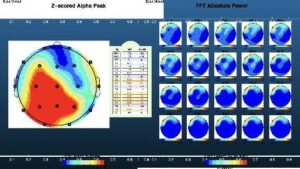
    An advanced form of EEG that applies computer-based analysis to create detailed brain maps. Activity is compared to large databases of healthy patterns, highlighting regions that are overactive, underactive, or poorly synchronized.

  • MRI (Magnetic Resonance Imaging)
    Uses magnetic fields and radio waves to produce high-resolution images of brain structures. MRI can detect shrinkage in regions such as the hippocampus, an area often affected early in Alzheimer’s disease.

  • fMRI (Functional MRI)
    Measures brain activity by detecting changes in blood flow, showing which areas are engaged during specific tasks.

  • PET (Positron Emission Tomography)
    Uses small amounts of radioactive tracers to identify amyloid-beta, tau buildup, or changes in brain metabolism.

Each of these technologies offers unique insights, and when used together, they provide a comprehensive picture of brain health.

How Neuroimaging Helps Spot Problems Early

Neuroimaging can reveal abnormalities that standard memory tests may miss, allowing intervention to begin sooner. For example:

  • EEG and qEEG can detect irregular brain rhythms linked to slowed processing, poor focus, or early cognitive impairment

  • MRI can identify subtle structural changes, such as reduced hippocampal volume, years before a formal diagnosis

  • PET scans can show early accumulation of amyloid or tau proteins, sometimes long before symptoms appear

By identifying these changes early, clinicians can tailor interventions to the specific brain regions and networks that need support, making treatment more precise and potentially more effective.

What Brain Waves Can Reveal

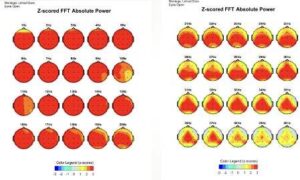
56u56Brainwaves are rhythmic patterns of electrical activity, and each frequency range is associated with particular states of mind:
  • Delta (0.5–4 Hz): Deep sleep and restoration. Excess delta during waking hours may signal brain injury or cognitive decline.

  • Theta (4–8 Hz): Creativity and relaxation. Excessive theta during tasks can reflect poor focus or slowed processing.

  • Alpha (8–12 Hz): Calm alertness. Low alpha activity is often associated with anxiety or tension.

  • Beta (12–30 Hz): Active thinking and problem-solving. High beta may indicate chronic stress; low beta can be linked to difficulty concentrating.

  • Gamma (30–100 Hz): High-level processing and memory integration. Reduced gamma activity has been observed in individuals with Alzheimer’s disease.

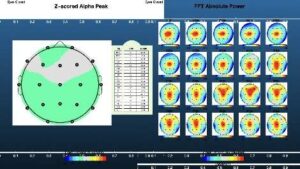
A qEEG brain map highlights imbalances across these rhythms, helping guide neurofeedback and other interventions designed to normalize activity and strengthen brain connectivity.

Turning Insight into Action

The true value of brain imaging lies in what it enables. Identifying abnormal patterns allows for personalized, data-driven care—from targeted neurofeedback protocols to photobiomodulation aimed at underactive regions. Instead of guessing what the brain needs, clinicians can track objective changes over time and adjust therapy as the brain responds.

By imaging the invisible, modern neuroscience shifts the focus from late-stage crisis management to early, proactive brain care. This shift offers people the opportunity to protect cognitive health while there is still time to make a meaningful difference.

PART III: Changing the Brain from the Inside Out

Chapter 6: Inside the Brain–Neurological Perspectives

What if electrical patterns in the brain could be guided back toward healthier rhythms?

Neurofeedback is a non-invasive, drug-free brain training method that helps the brain learn to regulate itself. In simple terms, it measures brainwave activity in real time and provides feedback that encourages healthier patterns of functioning.

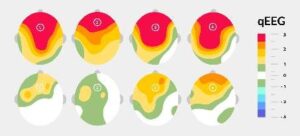
The process begins with a qEEG brain map, which identifies areas of the brain that are overactive, underactive, or poorly synchronized. During neurofeedback sessions, small sensors placed on the scalp monitor brain activity while the individual engages in a task such as watching a movie or listening to music. When the brain moves toward a desired pattern, the feedback improves—for example, the movie becomes clearer or the sound smoother. This reward-based system teaches the brain to repeat healthier patterns naturally, even outside the session.

grtryr6656Just as muscles adapt to repeated exercise, brain networks adapt to repeated feedback, gradually shifting toward more balanced and efficient functioning.
How Neurofeedback Trains Brain Waves

Brain activity consists of rhythmic electrical patterns known as brainwaves, each associated with specific mental states:

  • Delta: Deep rest and sleep

  • Theta: Relaxation, creativity, and daydreaming

  • Alpha: Calm focus and mental readiness

  • Beta: Alert thinking, planning, and problem-solving

  • Gamma: High-level processing, memory integration, and sensory coordination

When these rhythms fall out of balance—such as excessive slow-wave activity during waking hours or reduced gamma activity during cognitive tasks—thinking becomes less sharp, attention drifts, and emotional regulation may decline.

Neurofeedback works by rewarding the brain when it moves toward optimal patterns. Over time, these small adjustments lead to lasting improvements in brain network efficiency and communication.

Dementia-Specic Benefits

For individuals with dementia or mild cognitive impairment, neurofeedback offers several potential benefits:

  • Slowing cognitive decline: By improving connectivity and communication speed between brain networks, neurofeedback may help preserve cognitive function longer

  • Improving memory and attention: Targeting underactive regions can strengthen the networks involved in learning and recall

  • Enhancing mood and emotional balance: Regulating overactive stress-related areas may reduce anxiety, irritability, and depression

  • Supporting better sleep: Training brain rhythms linked to restorative sleep enhances the brain’s natural repair and waste-clearing processes

  • Supporting caregivers: In some cases, caregivers also benefit from neurofeedback to reduce stress and improve focus

Gamma Brain Wave Training

Research has shown that individuals with Alzheimer’s disease often exhibit reduced gamma wave activity, the high-frequency rhythms associated with attention, memory formation, and cognitive integration.

In gamma-focused training protocols, neurofeedback rewards the brain when it increases gamma activity in targeted regions. Early research suggests that enhancing gamma rhythms—through neurofeedback, 40 Hz light therapy, or sound entrainment—may improve memory recall, strengthen attention, and even support the clearance of amyloid-beta in animal models.

In practice, a session may involve watching a calming video. As the brain generates healthier gamma activity, the video becomes brighter or the audio clearer, reinforcing the desired state. With repeated sessions, the brain learns to produce these rhythms more consistently, leading to functional improvements in daily life.

A Gentle, Adaptable Approach

Neurofeedback is entirely non-invasive and adapts to each individual’s needs. Training plans are guided by brain mapping data and often integrated with complementary therapies such as photobiomodulation, physical activity, nutrition, and sleep optimization.

For dementia prevention and cognitive support, neurofeedback offers something rare: a way to work directly with the brain’s own communication system—helping it strengthen, rebalance, and heal from within.

Chapter 7 Gamma Waves: The Brain’s Synchronization Rhythm

Gamma waves are that rhythm, and restoring them may be one of the most exciting frontiers in brain health.

What Are Gamma Waves?

The brain’s electrical activity is organized into rhythmic patterns called brainwaves, each with its own frequency range and function. Gamma waves are the fastest of these rhythms, typically oscillating between 30 and 100 Hz, with 40 Hz often considered the “sweet spot” for healthy brain synchronization.

Gamma activity plays a critical role in:

  • Memory formation and recall: Linking information from different brain regions into coherent memories

  • Attention and focus: Helping the brain prioritize relevant information while filtering out distractions

  • Sensory integration: Coordinating what we see, hear, and feel into a unified experience

  • Learning and problem-solving: Supporting the transfer of new information into long-term memory

Gamma waves can be thought of as the conductor of an orchestra. Without them, individual musicians—different brain regions—may still play, but they fall out of sync, producing confusion instead of harmony.

How Dementia Disrupts Gamma Rhythms

In Alzheimer’s disease and other dementias, gamma activity is often reduced or poorly coordinated. This disruption can begin decades before noticeable memory loss, as protein buildup, chronic inflammation, and mitochondrial dysfunction gradually weaken the brain’s ability to sustain high-frequency rhythms.

The result is impaired communication between brain networks. Memory storage becomes less efficient, attention harder to maintain, and sensory information less clearly integrated. Reduced gamma activity has also been linked to sleep disturbances, mood dysregulation, and impaired decision-making.

Light and Sound Stimulation at 40 Hz: The Research

One of the most exciting developments in neuroscience is the discovery that gamma activity can be entrained, or encouraged, through rhythmic stimulation.

Researchers at the Massachusetts Institute of Technology (MIT) demonstrated that exposing mice with Alzheimer’s-like pathology to 40 Hz flickering light for one hour per day significantly reduced amyloid-beta plaques in the visual cortex. Subsequent studies added 40 Hz auditory stimulation and observed similar effects in additional brain regions, including the hippocampus, which is essential for memory formation.

Although human research is still in its early stages, pilot studies suggest that 40 Hz light and sound stimulation may:

  • Increase gamma activity in targeted brain regions

  • Improve memory and attention measures in some individuals

  • Enhance functional connectivity, meaning more efficient communication between brain networks

Why Gamma Entrainment Works

The MIT studies revealed two key mechanisms that help explain the bene ts of gamma entrainment

Improved Mitochondrial Function
Gamma stimulation appears to enhance mitochondrial efficiency, increasing the energy available for neurons to fire and communicate. Higher ATP production supports better synaptic function, faster processing speed, and greater resilience to cellular stress.

Enhanced Amyloid Clearance
Gamma entrainment activates microglia, the brain’s immune and waste-clearing cells, encouraging them to remove amyloid-beta deposits. This process may slow—or potentially reverse—some aspects of protein buildup associated with Alzheimer’s disease.

In essence, gamma stimulation does more than accelerate brain rhythms. It supports the cellular energy systems and cleanup processes that help maintain long-term brain health.

Integrating Gamma Stimulation into Brain Health Plans

For individuals concerned about cognitive decline, gamma entrainment can be delivered in several ways:

  • Light therapy: Specialized devices emit flickering light at 40 Hz

  • Sound therapy: Auditory tones pulsed at 40 Hz entrain rhythms through hearing

  • Multisensory stimulation: Combining light and sound at 40 Hz may produce stronger, more widespread effects

  • Neurofeedback: Training sessions that directly reward the brain for producing healthy gamma activity

While research continues to evolve, early evidence suggests that combining gamma stimulation with other brain health strategies—such as neurofeedback, photobiomodulation, sleep optimization, and anti-inflammatory lifestyle changes—may offer the greatest benefit.

Gamma rhythms are not merely a scientific curiosity. They are the brain’s natural synchronizers, essential for thinking clearly, forming memories, and navigating daily life. Supporting them, particularly as we age, may prove to be one of the most powerful tools in the fight against dementia.

Chapter 8 BBHC’s Approach: Combining Neurofeedback, Gamma Stimulation & Imaging

What if brain health care could be guided by a personal map of how your brain works?

In the fight against cognitive decline, no single approach is enough. The most effective strategies are personalized, data-driven, and multifaceted, addressing multiple aspects of brain function at the same time. At Bhakti Brain Health Clinic (BBHC), this philosophy guides every program. Their approach blends advanced neuroimaging, tailored neurofeedback, and scientifically grounded stimulation techniques to create a comprehensive brain health plan that evolves as the brain changes.

Using qEEG Brain Maps to Guide Training

rtyuty7u56786The process begins with quantitative EEG (qEEG), a non-invasive assessment that measures brainwave activity across multiple regions of the brain. This assessment generates a detailed brain map that reveals:
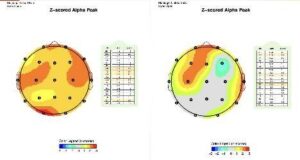
  • Areas of overactivity or underactivity

  • Networks that are poorly synchronized

  • Brainwave patterns linked to memory, attention, mood regulation, and sleep

Unlike a standard EEG, qEEG compares an individual’s results to a large database of healthy brain activity for the same age group. This allows clinicians to detect subtle changes that may signal early risk for cognitive decline—often before noticeable symptoms appear.

Step-by-Step: Assessment to Training

htg65756The program follows a structured, step-by-step process:
Step One: Assessment

  • qEEG brain mapping to establish a baseline

  • Cognitive, health, and lifestyle questionnaires to clarify challenges and goals

Step Two: Customized Brain Training Plan

  • Neurofeedback protocols tailored to the individual’s unique brain map

  • Clearly defined goals for improving focus, memory, emotional stability, and sleep quality

Step Three: Ongoing Progress Monitoring

  • Regular qEEG reassessments to track changes in brain activity

  • Adjustments to neurofeedback protocols as the brain responds

  • Periodic reviews to ensure the program remains aligned with evolving goals

This continuous feedback loop ensures that training remains targeted, responsive, and effective over time.

Integrating Light Therapy and Audio Entrainment

Alongside neurofeedback, the program integrates gamma stimulation at 40 Hz using light and sound-based therapies.

  • Light Therapy: Specialized devices emit flickering light at gamma frequencies to stimulate brain activity, enhance mitochondrial energy production, and support amyloid clearance

  • Audio Entrainment: Rhythmic sound pulses at 40 Hz reinforce brain synchronization and complement light-based stimulation

These modalities work synergistically to strengthen the same brain rhythms trained during neurofeedback, helping reinforce gains and support their transfer into daily life.

This data-guided, multi-modal approach is not about quick fixes. It is about giving the brain every possible advantage to repair, adapt, and thrive. By combining objective measurement with targeted intervention, BBHC empowers individuals to take an active role in protecting and enhancing their cognitive health—now and into the future.

PART IV: Supporting Brain Recovery with Science-Based

Chapter 9 Light Therapy: Shining a Light on Brain Health

Could something as simple as gentle, invisible wavelengths help brain cells make more energy and clear away damage?

How Near-Infrared and Red Light Support Brain Cells

Light therapy for brain health focuses on specific wavelengths—most commonly red light (approximately 600–700 nanometers) and near-infrared light (approximately 800–1100 nanometers). These wavelengths are capable of penetrating the scalp and skull to reach brain tissue.

Inside brain cells, this light is absorbed by cytochrome c oxidase (also known as Complex IV), a key enzyme within mitochondria. This absorption initiates a cascade of beneficial effects:

  • Increased ATP production: Mitochondria generate more cellular energy, enabling neurons to function, communicate, and repair themselves more efficiently

  • Improved blood flow: Light stimulates the release of nitric oxide, which relaxes blood vessels and enhances the delivery of oxygen and nutrients

  • Reduced oxidative stress: By improving mitochondrial efficiency, cells produce fewer harmful free radicals

  • Enhanced cellular signaling and repair: Light promotes the release of growth factors that support brain structure, resilience, and function

This process—known as photobiomodulation (PBM)—provides struggling brain cells with an energy boost, helping them meet the demands of communication, repair, and waste clearance.

The Science of Photobiomodulation for Dementia

try5665hhj

Research into PBM for cognitive decline has expanded rapidly over the past decade. Early studies in both animals and humans have demonstrated several promising effects:

  • Improved memory and attention: Participants receiving consistent PBM therapy have shown better performance on cognitive tests

  • Reduced inflammation: PBM lowers neuroinflammatory markers, which may help slow neurodegenerative processes

  • Neuroprotection and neurogenesis: Some evidence suggests PBM may protect existing neurons and support the growth of new brain cells

  • Enhanced waste clearance: Animal studies indicate PBM may activate the brain’s glymphatic system, aiding the removal of amyloid-beta and other metabolic waste

In some protocols, PBM has been combined with 40 Hz gamma-frequency stimulation, showing potential synergistic effects on mitochondrial function, brain connectivity, and cognitive performance.

How BBHC Integrates Light Therapy into Brain Care

In this program, PBM is not used as a standalone treatment. Instead, it is integrated into a broader, personalized brain health plan:

Assessment and Targeting
qEEG brain mapping and cognitive testing help identify underactive regions or networks most likely to benefit from PBM.

Tailored Light Protocols
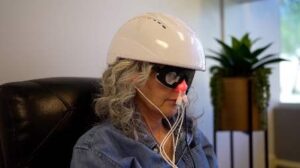
Devices are selected based on wavelength, intensity, and session duration. Near-infrared helmets, targeted LED panels, or handheld applicators may be used depending on the therapeutic goal.

Combination with Neurofeedback
PBM sessions are often scheduled before neurofeedback to “prime” brain cells with additional energy, allowing them to respond more effectively to training.

Integration with Gamma Entrainment
Some PBM devices deliver light pulsed at 40 Hz, combining mitochondrial support with brain rhythm synchronization for enhanced cognitive benefit.

Ongoing Monitoring
Regular qEEG reassessments and cognitive check-ins track how PBM is influencing brain activity alongside other interventions.

Light therapy is gentle, non-invasive, and generally well tolerated, making it a valuable option for individuals at risk of dementia or already experiencing cognitive decline. When combined with neurofeedback, gamma stimulation, and supportive lifestyle strategies, PBM becomes a powerful component of a comprehensive, proactive approach to preserving and enhancing brain health.

Chapter 10 Sound Stimulation & Audio Entrainment

Can the brain be guided by sound alone?

Sound stimulation for brain health is based on a phenomenon known as brainwave entrainment—the brain’s natural tendency to synchronize its electrical rhythms with external, repetitive stimuli. When the brain is exposed to a steady pulse or beat at a specific frequency, neurons often begin firing in time with that rhythm.

One of the most widely studied forms of sound-based entrainment is binaural beats:

  • A slightly different tone is played in each ear (for example, 400 Hz in the left ear and 440 Hz in the right)

  • The brain perceives the difference between the two tones—in this case, 40 Hz—as a rhythmic beat, even though that beat is not physically present in the sound

  • This perceived rhythm can encourage brainwave activity at the same frequency, such as gamma (40 Hz) for memory and attention, alpha for relaxation, or delta for sleep

Other methods use isochronic tones, which are single tones pulsed on and off at precise intervals, or rhythmic music with embedded frequencies to achieve similar entrainment effects.

Combining Sound with Neurofeedback for Deeper Results

When paired with neurofeedback, audio entrainment can reinforce brain training goals in several important ways:

  • Priming the brain: Starting a session with rhythmic sound can help the brain shift toward the target frequency before neurofeedback begins

  • Enhancing focus: Gamma-frequency sound stimulation (40 Hz) may improve concentration, making neurofeedback exercises more effective

  • Reinforcing learning: Listening to targeted frequencies after neurofeedback can help the brain stabilize newly learned patterns, supporting longer-lasting benefits

h6576574567This synergy works because neurofeedback trains the brain through real-time internal feedback, while audio entrainment provides an external rhythmic guide that helps maintain alignment with training goals.

Everyday Applications for Home Use

One of the major advantages of audio entrainment is its flexibility. It can be used outside the clinic, making it a practical tool for daily brain support. Common applications include:

  • Morning cognitive boost: Listening to 40 Hz gamma pulses or upbeat isochronic tones to enhance mental clarity

  • Pre-work or study sessions: Using beta or low-gamma rhythms to increase alertness and focus

  • Evening wind-down: Shifting to alpha or theta entrainment to promote relaxation

  • Sleep support: Delta-frequency sessions to encourage deeper, more restorative sleep

When combined with light therapy, home neurofeedback tools, and healthy lifestyle habits, sound entrainment becomes part of a comprehensive, multi-modal brain wellness routine.

Sound may seem like a simple tool, but when used at the right frequency and at the right time, it can gently guide the brain toward healthier rhythms—supporting clearer thinking, steadier moods, improved memory, and better overall brain function.

Chapter 11 Getting Started with Brain-Based Care

Where do you begin when you want to protect or restore brain health?

The first session with a brain health provider at Bhakti Brain Health Clinic (BBHC) is both an evaluation and an orientation. Its purpose is to understand the individual as a whole and to create a personalized plan that reflects their unique needs, goals, and brain patterns.

The process typically includes several key components.

Initial Consultation

This first step focuses on understanding the individual’s background and concerns. It includes:

  • A review of health history, lifestyle habits, and any existing diagnoses

  • A discussion of current symptoms, challenges, and personal goals, such as improving memory, reducing brain fog, or achieving better sleep

Baseline Assessments

Objective measurements provide a clear starting point for care. These may include:

  • qEEG brain mapping to visualize patterns of brain activity

  • Cognitive testing to assess memory, attention, processing speed, and problem-solving abilities

  • In some cases, additional imaging such as MRI or PET scans to gain structural or metabolic insights

Collaborative Goal Setting

Care planning is a shared process. During this phase:

  • The provider and client identify the primary areas of focus

  • Education is provided on how recommended therapies—such as neurofeedback, gamma stimulation, or photobiomodulation—address those specific needs

What to Expect: Timeline, Progress, and Support

By the end of the first visit, clients typically leave with a clear understanding of the recommended next steps and how progress will be tracked over time.

Timeline

Brain training and neurostimulation are gradual processes that unfold over time.

  • Program length varies based on individual needs, but a typical BBHC brain training plan involves approximately two hours per week for up to 20 weeks

  • Some individuals notice changes within the first few weeks, while others experience steady improvement over several months

Progress Tracking

Improvements are measured both objectively and subjectively:

  • Repeat qEEG mapping and cognitive testing document measurable changes in brain function

  • Many clients report clearer thinking, improved focus, better mood regulation, enhanced memory, and improved sleep as therapy progresses

Ongoing Support

A comprehensive brain health program goes beyond in-clinic sessions and includes:

  • Continued education about brain health and neuroplasticity

  • Guidance on supportive lifestyle strategies, including exercise, nutrition, sleep hygiene, and stress management

  • Regular check-ins to adjust the program as the brain responds and goals evolve

Beginning brain-based care is not just about addressing symptoms—it is about building resilience and supporting the brain for the long term. With the right provider and a personalized plan, individuals can move toward greater clarity, confidence, and overall well-being.

Conclusion Your Brain Can Heal, With the Right Tools

The brain is not fixed, fragile, or doomed to inevitable decline. It is dynamic, adaptable, and—when given the right support—remarkably resilient.

For decades, the prevailing belief was that brain cells could not regenerate and that once damage occurred, recovery was impossible. Modern neuroscience has overturned this myth. Neuroplasticity, the brain’s ability to rewire, adapt, and even repair itself, is now a well-established scientific reality.

This understanding changes everything. While dementia and cognitive decline present real challenges, they are not strictly one-way journeys into loss. By identifying problems early, supporting the brain’s energy systems, and restoring healthy communication rhythms, it is possible to protect function, slow progression, and, in some cases, regain lost clarity.

Hope Through Neuroscience

45665jjjjfd656Every chapter in this guide points to one essential truth: the brain responds to care. Technologies such as qEEG-guided neurofeedback, gamma wave stimulation, photobiomodulation, and sound entrainment are not speculative concepts. They are grounded in research and increasingly applied in real-world clinical settings.

These tools are effective because they address the core mechanisms involved in brain decline:


  • Boosting mitochondrial energy production

  • Improving blood flow and nutrient delivery

  • Reducing chronic inflammation

  • Enhancing communication between brain networks

When these approaches are combined with supportive lifestyle strategies—such as balanced nutrition, restorative sleep, regular physical activity, and stress management—the brain is given its strongest opportunity to function well at any stage of life.

The Earlier, the Better; But It’s Never Too Late

The most dramatic results often occur when care begins before significant symptoms appear. Subtle changes in brainwave activity, memory, mood, or focus can serve as early warning signs. Addressing these changes promptly helps preserve cognitive health for years to come.

That said, even for individuals already experiencing cognitive decline, it is never too late to take action. While the focus may shift from prevention to slowing progression, improving daily function, and enhancing quality of life, meaningful improvement and stabilization remain possible.

How BBHC Can Help Guide the Journey

Navigating brain health can feel overwhelming without expert guidance. At Bhakti Brain Health Clinic (BBHC), the approach includes:

  • Comprehensive assessment using advanced brain mapping

  • Personalized programs combining neurofeedback, gamma stimulation, and light therapy

  • Ongoing progress tracking to adapt care as the brain changes

  • Supportive education to empower individuals and families at every step

By merging cutting-edge neuroscience with compassionate care, this model transforms uncertainty into a clear, actionable path forward.

Your brain can change.
Your brain can improve.
And with the right tools, the journey toward greater clarity, memory, and vitality can begin today.

How to Book a Consultation

For more information, program inquiries, or to schedule a brain health consultation:

Website: https://bhakticlinic.com
Email: neurofeedback@bhakticlinic.com

Take the first step toward better brain health today.

Glossary of Key Terms

Amyloid-beta – A protein that can clump together to form plaques in the brain, interfering with communication between neurons and contributing to Alzheimer’s disease.

ATP (Adenosine Triphosphate) – The main form of energy used by cells to power all their functions.

Binaural Beats – A brainwave entrainment technique where two slightly different tones are played in each ear, creating the perception of a beat at a speci c frequency in the brain.

Cytochrome c oxidase – An enzyme inside mitochondria that absorbs red and near-infrared light during photobiomodulation, helping produce more ATP.

Delta Waves – The slowest brainwaves (0.5–4 Hz), associated with deep sleep and restoration.

Isochronic Tones – Single tones that are turned on and off at precise intervals to produce brainwave entrainment effects.

Metabolic Crash – A severe drop in the brain’s energy production, often due to mitochondrial dysfunction.

Microglia – Immune cells in the brain that clear waste and protect neurons.

Mitochondria – The “power plants” of cells, producing the energy required for cellular activity.

Neurofeedback – A brain training method that uses real-time brainwave monitoring and feedback to encourage healthier brain activity patterns.

Neuroimaging – Techniques for visualizing brain structure or function, such as qEEG, MRI, or PET scans.

Neuroplasticity – The brain’s ability to change, adapt, and rewire its connections in response to learning, injury, or therapy.

PET Scan (Positron Emission Tomography) – A brain imaging technique that shows how tissues and organs are functioning, often used to detect metabolic changes in dementia.

Photobiomodulation (PBM) – A therapy using red and near-infrared light to stimulate energy production in cells, improve blood ow, and reduce in ammation.

Protein Tau – A protein that helps stabilize neurons; in dementia, it can form tangles that disrupt brain function.

qEEG (Quantitative EEG) – An advanced form of EEG that maps brainwave activity and compares it to healthy norms for the same age group.

Theta Waves – Brainwaves (4–8 Hz) associated with relaxation, creativity, and light sleep.

Neurofeedback for Dementia

Neurofeedback for Dementia offers an empowering perspective on dementia, revealing that the biological changes leading to this condition can begin decades before symptoms appear. This insightful guide combines scienti c research with practical strategies for early detection and effective intervention, emphasizing the brain’s capacity for change. With a focus on proactive care and innovative neurofeedback techniques, readers are equipped to protect brain health and improve quality of life, regardless of their current cognitive status.