 Buy or rent our products online!
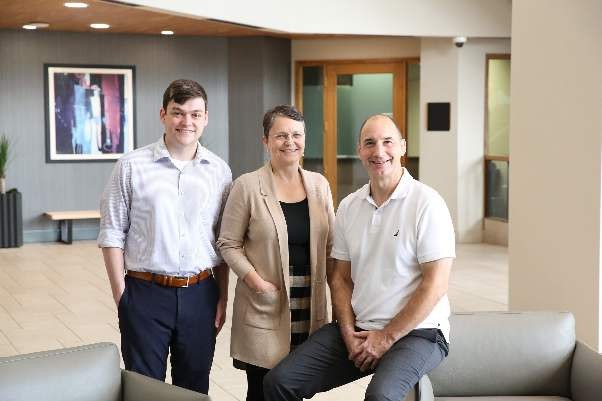
Bhakti Brain Health Clinic (BBHC) is a neuroscience-driven center for excellence in brain health dedicated to one mission: helping the brain regulate itself so the person can thrive.
Founded on the belief that emotional and cognitive struggles are not signs of brokenness but of dysregulation, BBHC offers a radically different approach to anxiety, ADHD, and brain-based performance.
 Rather than focusing solely on symptoms or diagnoses, BBHC uses cutting-edge tools to uncover the root causes beneath the surface. Through quantitative EEG (qEEG), event-related potentials (ERP), genetic and metabolic testing, and neurocognitive assessments, the clinic creates a comprehensive map of how the brain functions.
From there, BBHC delivers personalized, non-invasive care using advanced neuromodulation techniques, including:
• Neurofeedback
• Neurostimulation (tDCS, tACS, pEMF)
• Audio-visual entrainment (AVE)
• Photobiomodulation (infrared light therapy)
• Heart rate variability (HRV) training
Each protocol is built around the client’s unique neural and physiological profile, whether they are healing from chronic anxiety, looking to sharpen focus, recovering from trauma, or simply striving to function at their best.
At BBHC, science meets compassion. Clients are never just numbers or diagnoses. They are individuals with stories, struggles, and untapped potential. The team of neurofeedback clinicians, technicians, and brain health specialists is committed to taking the time, using the tools, and providing the training needed to help every brain self-regulate naturally, safely, and sustainably.
BBHC’s work has helped children who couldn’t sit still become calm and focused. It has helped adults regain sleep, clarity, and confidence. It has guided families through years of misdiagnosis to newfound understanding and hope.
Whether you are beginning your healing journey or exploring peak performance, BBHC exists to help you see your brain clearly and support it wisely.
Because when your brain works better, everything works better.
What if the true cause of many mental health struggles has been overlooked, not because it’s invisible, but because no one was looking in the right place?
For decades, mental health care has followed a familiar path: identify symptoms, assign a diagnosis, and match it with a standard treatment—usually talk therapy, medication, or both. For many individuals, this formula leads to frustration. Despite trying “all the right things,” progress often stalls, leaving people asking:
“Why am I still struggling?”
 The issue may not be a lack of effort or even a misdiagnosis. It may be that the traditional mental health model is looking in the wrong place. At BBHC, the focus is different. The team doesn’t start with labels; they start with function. They ask:
“What is the brain doing, and where is it out of balance?”
This shift in thinking leads to more than new methods. It leads to new answers—ones rooted in neuroscience, not guesswork.
Most mental health diagnoses are made by observing behavior and comparing it to established criteria. A person with chronic worry might be labeled with generalized anxiety disorder. A child who can’t sit still in school may be diagnosed with ADHD. These labels help organize care, but they don’t explain what’s happening at a physiological level.
Traditional models are:
• Descriptive, not explanatory — they describe what is happening, but not why
• Symptom-focused rather than system-focused
• Often reliant on trial-and-error treatment without objective data
The result is that many clients are treated based on outward behaviors, not inward dysfunction. And when medications don’t work or therapy hits a plateau, they are often left feeling helpless.
Advancements in neuroscience now make it possible to move beyond behavioral checklists and into the real-time patterns of the brain itself. Technologies once limited to research settings—such as quantitative EEG (qEEG), event-related potentials (ERP), and HRV analysis—are now available in clinical practice.
This shift from talking about the brain to measuring it has opened the door to more personalized and effective care. By understanding how the brain functions—its rhythms, connections, speed, and reactivity—clinicians can identify areas of dysregulation that may be driving symptoms.
This is the foundational difference in BBHC’s approach. Rather than asking:
“What’s wrong with you?”
They ask:
“Where is your brain out of sync, and how can we help it find balance again?”
The focus moves from managing symptoms to retraining the system that produces them.
BBHC is built on three foundational principles that distinguish its approach from conventional care:
1. Tools
The clinic utilizes a suite of advanced neurotechnologies to assess and support brain function. These include tools for mapping brainwaves (qEEG), measuring processing speed and cognitive accuracy (ERP), evaluating autonomic nervous system regulation (HRV), and exploring genetic or metabolic contributors. This allows for targeted, evidence-based interventions—not guesswork.
2. Training
BBHC’s model emphasizes training over treatment. Through neurofeedback, neurostimulation, and photobiomodulation, clients engage in a learning process that helps the brain develop healthier and more efficient patterns. Protocols are personalized and adjusted as progress is tracked over time.
3. Time
Unlike rushed clinical environments, BBHC prioritizes deep listening and relationship-building. Clients are given time to share their full story, receive comprehensive evaluations, and engage in collaborative care planning. Healing is supported not just through tools, but through being seen, heard, and understood.
BBHC’s work reflects a simple yet profound belief:
Mental wellness isn’t just about how someone feels—it’s about how their brain functions.
By rethinking brain health from the inside out, BBHC is helping clients find real solutions to struggles that once felt impossible to explain.
To truly understand an individual’s mental health challenge, clinicians need more than a diagnosis. They need a map that reveals what’s happening, where it’s happening, and why.
In traditional mental health care, a diagnosis is often based on what a person reports and how they behave. But behavior is only the output—a visible expression of what’s happening deeper within the nervous system. To truly understand what drives symptoms like anxiety, inattention, or mood instability, clinicians must go beyond surface-level observations.
At Bhakti Brain Health Clinic, assessment is viewed as the foundation for everything that follows. The team uses a multidimensional approach, combining cognitive testing, neurophysiological mapping, and biological insights to create a complete picture of how the brain and body are functioning.
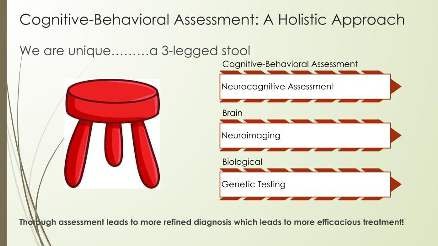
This model, known as the Three-Legged Stool, forms the core of every client’s evaluation process.
Just as a stool needs all three legs to remain stable, a complete understanding of brain health requires insight from three interconnected domains.
The first leg focuses on how an individual thinks, processes, and performs on tasks related to memory, attention, speed, and executive function. BBHC uses tools such as CNS Vital Signs, a validated neurocognitive test battery, to measure these skills objectively.
By quantifying domains like reaction time, working memory, visual and verbal recall, and mental flexibility, clinicians can identify patterns that underlie emotional or behavioral symptoms.
 These scores also provide a baseline to track improvement over time, helping both clients and providers see progress in clear, measurable ways.
The second leg examines the brain’s electrical rhythms and network dynamics. Through quantitative EEG (qEEG) and event-related potentials (ERP), clinicians assess how the brain functions at rest and how it responds to cognitive demands.
qEEG reveals brainwave activity across regions, highlighting areas that may be overactive (as in anxiety), underactive (as in depression), or poorly connected (as in ADHD or trauma).
ERP testing measures how quickly and efficiently the brain processes information, offering millisecond-level insight into attention, working memory, and sensory processing.
Together, these tools allow BBHC to move beyond labels and into functional mapping by asking:
“What is this brain doing, and how can we support it to do better?”
The third leg looks at the physiological environment in which the brain operates. Using targeted laboratory testing, BBHC assesses genetic variants, metabolic imbalances, nutrient deficiencies, and inflammatory markers that may influence brain performance.
For example, low mood or poor focus may stem from impaired methylation, vitamin B6 processing issues, chronic inflammation, or reduced cellular energy production rather than a psychological disorder.
Rather than defaulting to supplementation alone, BBHC’s approach focuses on optimizing internal systems to support natural regulation and recovery.
As part of every intake, BBHC uses CNS Vital Signs, a computerized assessment that provides a detailed snapshot of brain function across key domains, including:
• Processing speed
• Executive function
• Working memory
• Reaction time
• Visual and verbal memory
• Attention and cognitive flexibility
This tool helps identify cognitive strengths and challenges and places them in context when paired with qEEG and ERP findings. It also allows for before-and-after comparisons, giving clients clear visibility into their progress over time.
While BBHC does not rely solely on DSM labels, the clinic incorporates structured tools to understand emotional and behavioral functioning, including:
• Clinical interviews
• Mental status evaluations
• Standardized rating scales for anxiety, mood, attention, and executive function
• Parent and teacher input (for child clients)
These tools ensure that brain data is interpreted within the context of each client’s lived experience—not in isolation.
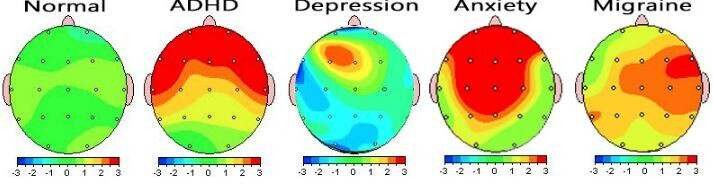 The brain is an electrical organ, and qEEG allows clinicians to map that activity with precision. Clients wear a cap with 19 sensors that record brainwaves at rest, creating a detailed brain map that highlights:
• Frequency imbalances (too much fast or slow activity)
• Regional dysfunction (such as frontal underactivation)
• Connectivity issues between brain regions
ERP testing complements this by measuring how efficiently the brain processes incoming information, identifying subtle delays or disruptions that may explain distractibility, memory lapses, or emotional reactivity.
Together, these tools offer real-time insight into brain performance—not just how someone feels, but how their brain is actually functioning.
BBHC also partners with advanced clinical laboratories to assess biological contributors to brain regulation, including:
• Methylation capacity (e.g., MTHFR, COMT variants)
• Vitamin and mineral processing
• Detoxification pathways
• Inflammation and oxidative stress
• Mitochondrial function and cellular energy
These insights help explain why regulation may be difficult and what internal support is needed to allow the brain to function optimally.
For many clients, seeing their brain data connected to real-life experiences is transformative. Confusion gives way to clarity. Self-blame is replaced with understanding. Most importantly, care becomes precise—tailored to the individual, not the diagnosis.
This holistic assessment process lays the foundation for a care plan rooted in data rather than assumptions, empowering clients with insight, confidence, and a path forward they can trust.
For many, mental health challenges begin with a feeling; something misaligned, hard to name, and harder to explain.
In the world of mental health, diagnoses are often seen as the answer. They offer names, such as anxiety, ADHD, and depression, that help organize experience into categories. But these labels don’t always explain the why. Why is the brain anxious? Why is focus so difficult? Why is the emotional system always on edge?
At Bhakti Brain Health Clinic, clinicians approach these questions differently. Rather than assume the diagnosis is the destination, they look for the underlying neurological patterns that drive a person’s symptoms. Time and again, those patterns point to one central issue:
Dysregulation, not disease, is the root of many struggles.
 Dysregulation is a functional imbalance in the nervous system. It occurs when the brain is unable to smoothly shift between states, communicate efficiently between regions, or maintain balanced levels of activation. In practical terms, this can mean:
Importantly, dysregulation is not a diagnosis. It is not a disorder. It is a pattern of function, and it is often reversible. This is the lens through which BBHC views anxiety, ADHD, and emotional reactivity: not as fixed pathologies, but as expressions of a brain that has lost its rhythm.
Traditional mental health care tends to treat symptoms as the problem. Racing thoughts? Try mindfulness. Can’t concentrate? Take a stimulant. Feeling low? Prescribe an antidepressant.
But from a holistic perspective, symptoms are not the problem. They are the message. They are signals from a system that is misfiring, overworking, or compensating for something out of balance.
For example:
Treating only the symptom is like turning off a fire alarm without checking for flames. It quiets the sound, but the source remains. BBHC’s approach is to look for the fire, the neurological or physiological origin of dysregulation, and begin restoring balance at that level.
When a client receives a diagnosis like ADHD or anxiety disorder, the label can bring clarity. But it can also limit the conversation. Labels often imply permanence when, in reality, many symptoms are driven by brain patterns that can be retrained.
Through tools such as qEEG, ERP, HRV analysis, and genetic testing, clinicians can identify functional imbalances that may be driving symptoms. Once identified, those imbalances can be addressed with targeted interventions such as:
This approach allows clinicians to move beyond asking, “What are the symptoms?” and toward asking, “What is the system doing, and how can we help it regulate?”
For many clients, this shift is transformative. They no longer feel defined by a label or trapped in a diagnosis. Instead, they gain a sense of agency, knowing their brain is capable of learning, adapting, and healing.
Dysregulation does not mean damage. It means disconnection. It means the brain has lost access to its full range of responses and needs help finding its rhythm again.
This is the heart of BBHC’s model: by understanding the mechanisms behind dysregulation, clinicians help clients build more flexible, responsive, and resilient brains. And when the brain is regulated, symptoms begin to resolve because the system is functioning the way it was always meant to.
In the next chapter, we’ll examine one of the most powerful tools for restoring regulation: neurofeedback, a method that teaches the brain to relearn its rhythm moment by moment and circuit by circuit.
What if the brain could receive feedback, like a mirror held up to its own rhythms, and use that re ection to reshape itself?
For individuals experiencing anxiety, attention challenges, or emotional overwhelm, the idea that the brain can learn to change without medication or conscious effort can seem surprising. Yet this is the foundation of neurofeedback, a non-invasive method that uses real-time data to teach the brain how to regulate itself more effectively.
At Bhakti Brain Health Clinic, neurofeedback is a cornerstone of care. It is not a quick fix, but a learning process—one that trains the brain to recognize its own patterns and adjust them toward healthier, more efficient rhythms.
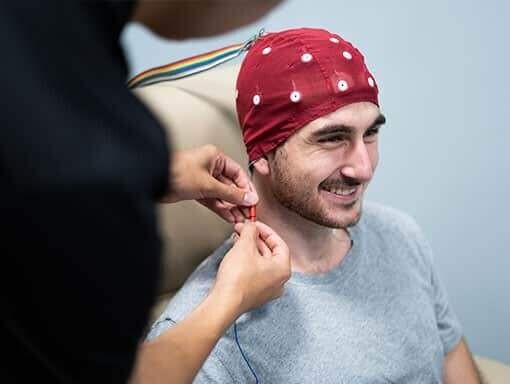 Neurofeedback is based on a principle called operant conditioning, a process in which the brain learns by receiving immediate feedback about its own activity. The idea is simple yet powerful: when the brain receives a signal that it is moving in the right direction, it tends to repeat that behavior.
In a typical neurofeedback session:
Over time, the brain begins to learn subconsciously. Just as muscles adapt to physical training, the brain adapts to patterns of reinforcement. Clinicians monitor and adjust this training in real time, ensuring that sessions are tailored to the individual’s specific neurological needs.
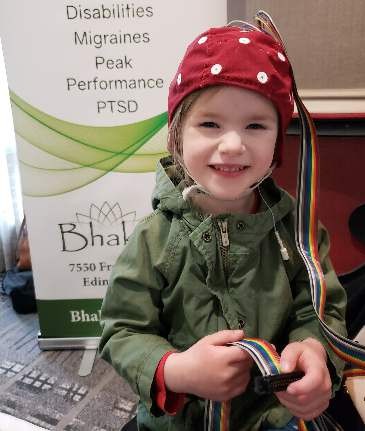 The concept of operant conditioning is not new. It is how behaviors are shaped through rewards. Neurofeedback applies this same principle at the neural level, rewarding the brain when it demonstrates patterns associated with calm, focus, or flexible thinking.
Unlike traditional therapy, which often requires conscious insight, neurofeedback works below awareness. The brain does not need to try or think its way into a better state; it simply responds to the feedback it receives.
This makes neurofeedback especially helpful for:
The training process is gentle, adaptive, and customized based on the client’s brain map and presenting concerns.
BBHC’s approach to neurofeedback is data-driven. Every training plan is informed by quantitative EEG (qEEG), which compares a client’s brain activity to a normative database of healthy, age-matched individuals.
This comparison reveals which brainwave frequencies or regions are overactive, underactive, or poorly coordinated. Clinicians then establish target metrics that define healthy regulation for that individual.
Modern neurofeedback systems can monitor hundreds of metrics simultaneously, including:
Progress is monitored session by session. As the brain becomes more efficient and self-regulating, protocols are adjusted to support continued improvement both in and outside the clinic.
Consider an individual watching an animation of a bird flying through hoops on a screen. The bird is controlled by brainwave activity, not by a joystick or conscious command.
When the brain enters a desired state, such as calm alertness, the bird moves smoothly. When the brain shifts into overarousal or distraction, the animation slows or stutters.
At first, the brain does not understand the relationship between its activity and the feedback. But session by session, it learns. Patterns that produce smooth feedback are repeated, while ineffective patterns fade. Eventually, the brain internalizes these rhythms in everyday life.
This conditioning builds neural flexibility and resilience without requiring conscious effort. The brain leads, the system reflects, and learning takes place.
Neurofeedback is not a treatment in the traditional sense. It is neural training. It does not force the brain into a new state; it teaches the brain how to find its way back to balance on its own.
Clients often report improved sleep, reduced anxiety, greater focus, and increased clarity—not because symptoms were suppressed, but because the system producing those symptoms became regulated.
In the next chapter, we will explore additional tools for brain rewiring, including stimulation, light, rhythm, and breath, each chosen to support the nervous system’s natural capacity to heal and grow.
What if lasting mental wellness could begin with a few minutes of light, sound, or electrical stimulation each day?
While neurofeedback plays a central role in brain retraining, it is not the only tool available to support nervous system regulation. A wide range of non-invasive neuromodulation technologies can be used to help clients optimize brain function and improve outcomes.
Each of these tools targets a different layer of the system, whether it is helping the brain shift out of overarousal, promoting cellular repair, or improving the body’s resilience to stress. They are selected based on the client’s unique neurological profile, as identified through a comprehensive assessment.
Rather than forcing the brain to behave differently, these technologies encourage learning, flexibility, and self-regulation, allowing the brain to change from within.
Neurostimulation involves the application of gentle electrical or magnetic fields to specific brain regions. These methods are used to activate underperforming areas, reduce overactivity, or improve communication between brain networks.
The clinic uses several forms of neurostimulation:
These techniques are especially helpful for clients who are severely dysregulated or whose brains require external prompting before they can engage in neurofeedback or other forms of training. In many cases, neurostimulation is used at the beginning of care to prime the brain for more active retraining.
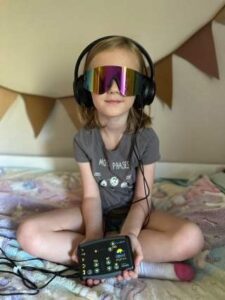 Audio-Visual Entrainment (AVE) uses synchronized light flashes and pulsing tones to guide brainwave activity toward a desired state. Clients wear goggles and headphones while rhythmic visual and auditory signals are delivered at specific frequencies.
These frequencies are selected to:
AVE sessions are short, easy to use, and well tolerated by both adults and children. They are often used for pre-session regulation or at home between neurofeedback appointments. Over time, this tool helps the brain practice moving between states such as rest, alertness, and focus, increasing adaptability and responsiveness.
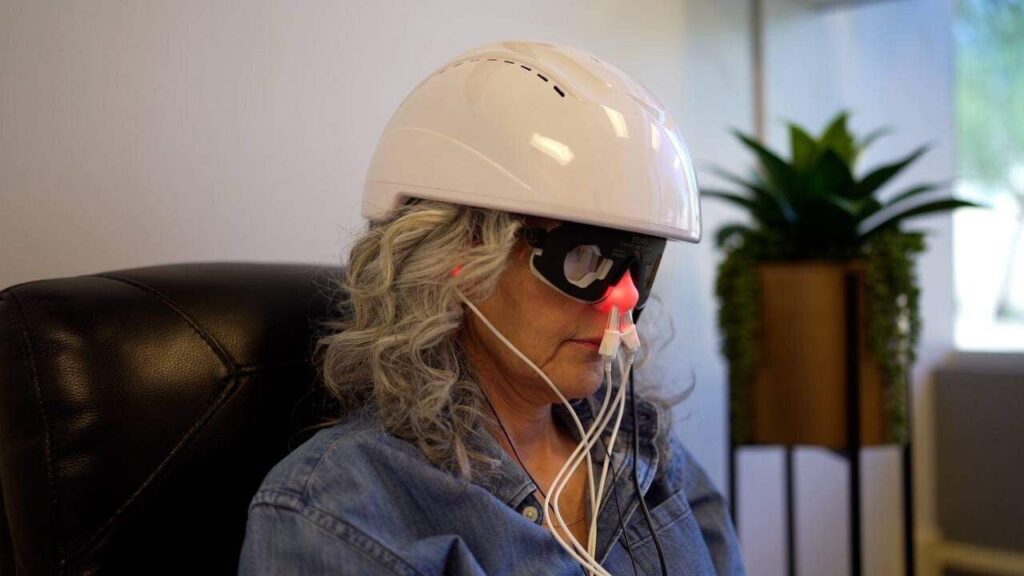 Photobiomodulation, also known as infrared light therapy, uses near-infrared light to stimulate brain cells at the mitochondrial level. Delivered through a wearable helmet or targeted device, this therapy enhances cellular energy production, reduces inflammation, and improves blood flow to key brain regions.
This therapy is often used to support clients experiencing:
Photobiomodulation is typically incorporated as part of a broader protocol for clients who need to restore cellular function before engaging in more cognitively demanding training. It is painless, non-invasive, and often improves mood, clarity, and energy within a few sessions.
While many tools focus directly on brain function, heart rate variability (HRV) training targets the autonomic nervous system, which governs stress, recovery, and internal balance.
HRV measures the variation in time between heartbeats. Higher variability is associated with greater resilience and adaptability, while lower HRV is commonly linked to chronic stress and emotional reactivity.
Through HRV biofeedback, clients learn to:
HRV can be used both in the clinic and at home, empowering clients to regulate their physiological state on demand. For many individuals, HRV becomes a lifelong skill that supports overall health and resilience.
No single tool works for everyone. What sets BBHC apart is the ability to layer and sequence interventions based on individual needs. A child with high anxiety may begin with AVE to establish calm before transitioning to neurofeedback. An adult with long-term brain fog may combine photobiomodulation with neurostimulation and HRV training.
Protocols are adjusted over time as the brain responds and progresses. This integrative approach supports not only symptom relief, but long-term neurological transformation.
Each tool is not a cure, but a guide. And with the right guidance, the brain often does what it has always been capable of doing.
It learns.
It adapts.
It regulates.
Some individuals experience anxiety without a clear trigger, leaving them to wonder why nothing seems to help.
Anxiety is often misunderstood as merely a mental or emotional experience. In many cases, however, it is a whole-body state—a physiological condition shaped by neurological patterns, environmental stressors, and behavioral adaptations.
 As a result, anxiety should not be treated as a singular diagnosis. Instead, it should be viewed as a signal that the nervous system is out of sync and the brain is struggling to regulate its internal environment.
By examining the biological, behavioral, and environmental layers of anxiety, the team at Bhakti Brain Health Clinic is able to identify where dysregulation is occurring and how best to guide the brain back toward balance.
Anxiety often emerges from the interaction of three key systems.
Biological
Neurological and physiological markers such as excessive high-beta brainwave activity, low heart rate variability, or inflammation can create a chronic state of hyperarousal in the nervous system. In some cases, genetic factors or adverse reactions to medications, including SSRIs, can also trigger or intensify anxiety symptoms.
Behavioral
Over time, individuals may develop patterns of avoidance, hypervigilance, or emotional suppression as a way of coping with internal distress. While understandable, these adaptations can reinforce anxiety cycles and make it harder for the nervous system to return to a regulated state.
Environmental
Stressful relationships, high-pressure work environments, poor sleep, and unresolved trauma all contribute to maintaining or triggering anxiety. Even when external stressors change, the brain may remain locked in a state of perceived threat.
This is why anxiety should never be viewed as having a single cause. Comprehensive assessment tools are necessary to clarify what is happening within the system and where support is most needed.
Through quantitative EEG (qEEG) and event-related potential (ERP) testing, clinicians can observe electrical patterns commonly associated with anxiety.
These may include:
qEEG does not replace clinical observation. It enhances it. By identifying how the brain functions in real time, clinicians can move beyond symptom-based labels and provide targeted neurological support.
No two cases of anxiety are the same. For one individual, anxiety may be driven by emotional trauma. For another, it may stem from metabolic dysfunction or medication side effects. For this reason, each client receives individualized treatment protocols based on their unique brain and body profile.
Treatment may include:
The goal is not simply to feel better, but to help the brain function better so clients can regain their ability to think, feel, and respond flexibly.
Corey, a practicing therapist, came to BBHC after experiencing a sudden and severe onset of anxiety symptoms. Although he had been participating in regular talk therapy, which helped reduce anxious thought patterns, he continued to experience intense physical symptoms including a racing heart, chest and throat tightness, and pervasive bodily tension.
His anxiety became severe enough to interfere with his work and overall quality of life.
The symptoms began shortly after Corey had a negative reaction to an antidepressant medication, a known trigger for dysregulation in sensitive nervous systems. Despite understanding therapeutic strategies for managing anxiety, Corey reported that his brain and body could not access those tools when needed.
A brain-based assessment revealed a clear physiological foundation for his symptoms. In collaboration with the clinical team, Corey began neurostimulation to directly address the dysregulation.
Initial sessions produced limited relief. After protocol adjustments, Corey experienced a significant shift by the third session. Physical symptoms he previously rated as a six or seven out of ten dropped to a one or two, allowing him to feel calm and present for the first time in months.
Over the course of twenty sessions, Corey’s nervous system stabilized and the improvements held. He reported feeling cared for, understood, and respected throughout the process. Most importantly, he regained access to emotional regulation tools that his brain had previously been unable to utilize.
His experience highlights a central truth: skills only work when the neurological circuitry exists to support them. By addressing dysregulation first, clients like Corey are finally able to benefit from the tools they already possess.
Corey’s case is not unique. Many clients arrive after years of therapy, lifestyle changes, and medication trials, only to discover that the issue is not effort or insight, but regulation.
When clinicians look beyond diagnostic labels and into brain function itself, a new path to healing emerges—one that begins not with trying harder, but with retraining the system that makes change possible.
What if half the people diagnosed with ADHD don’t actually have it—and no one’s looking closely enough to tell?
In clinics, classrooms, and family homes across the world, ADHD has become one of the most frequently assigned mental health diagnoses, especially for children and adolescents who struggle with attention, impulsivity, or hyperactivity.
What if the label is wrong?
Clinicians at Bhakti Brain Health Clinic have found that a significant number of individuals diagnosed with ADHD do not meet the neurophysiological criteria for it. Internal case reviews suggest that nearly 50 percent of those referred with an ADHD diagnosis are dealing with something entirely different.
 This is not a critique of intention. It is a reflection of a deeper problem: the limitations of behavior-based diagnosis.
ADHD, by clinical definition, is a behavioral diagnosis. It is based on observed patterns of inattention, impulsivity, and hyperactivity. However, many other neurological and psychological conditions can resemble ADHD, particularly in high-stress environments or in individuals with co-occurring anxiety, trauma, or sleep disruption.
Without objective brain-based data, clinicians are often left matching behavior to labels and labels to medications. This approach can miss the true source of difficulty and result in treatment plans that are ineffective or even harmful.
This is where the approach diverges. Every client should receive a comprehensive assessment, including quantitative EEG (qEEG) and event-related potential (ERP) testing, to uncover functional brain patterns underlying behavior.
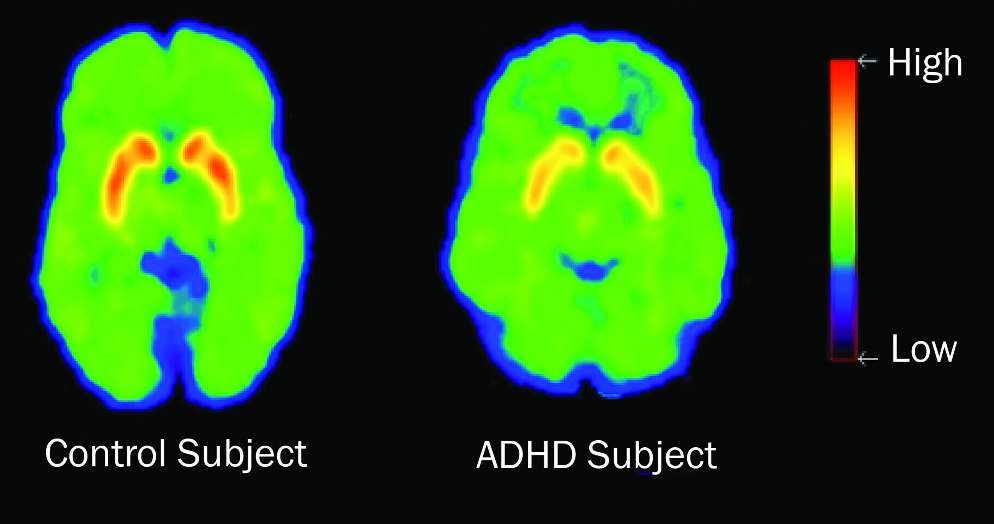 Traditional diagnosis relies on the DSM, which organizes symptoms into categories. The brain, however, does not function categorically. It operates through dynamic, measurable patterns.
Brain mapping often reveals multiple EEG phenotypes that do not align with classic ADHD models. These may include:
One of the most overlooked yet critical findings is epileptic form activity, which can disrupt attention and memory in ways that closely resemble ADHD.
Epileptic form activity refers to abnormal brainwave patterns that resemble seizure activity without producing visible seizures or loss of consciousness. These events often appear as brief bursts of slow waves or spike-like activity on EEG recordings.
Individuals with this pattern may experience:
Because these events are not outwardly visible and are often missed by surface-level assessments, they are frequently misclassified as inattentive ADHD or anxiety.
The true cause, however, lies in disrupted neural communication rather than behavior.
One case involved a family that appeared to fit the classic ADHD profile. A mother and her three daughters had all been diagnosed with ADHD or anxiety and had spent years pursuing medications and behavioral therapies with little success.
Each family member showed restlessness, distractibility, and emotional tension. Despite consistent treatment adherence, progress was minimal and, in some cases, symptoms worsened.
When the family underwent brain mapping at BBHC, each member showed strikingly similar and highly unusual qEEG patterns. These patterns reflected epileptic form activity, including bursts of theta waves and irregular connectivity in regions responsible for working memory and executive function.
Functionally, their brains were experiencing brief interruptions in information processing, leading to gaps in attention, learning, and memory.
The family declined referral to a neurologist due to concerns about the implications of the findings. Years later, they continue managing symptoms with ADHD-focused medications and behavioral strategies, many of which remain ineffective.
This case illustrates a critical reality: when brain function is misunderstood, treatment is unlikely to succeed.
Clinicians are not suggesting that ADHD is not real. Rather, they emphasize the importance of recognizing that behaviors such as inattention and hyperactivity are outputs, not explanations.
By using brain-based data to uncover the mechanisms driving these behaviors, clinics like BBHC can design more effective, individualized care plans that address brain function rather than surface symptoms.
In some cases, this confirms an ADHD diagnosis. In others, it reveals something entirely different, invisible to standard assessments but essential to long-term recovery.
What if the same tools that heal anxiety could also unlock sharper focus, faster thinking, and greater emotional resilience?
While much of Bhakti Brain Health Clinic’s work centers on helping clients heal from anxiety, ADHD, or emotional dysregulation, the same tools and insights can also be used to elevate performance in individuals who are already functioning well.
 The brain does not need to be in crisis to benefit from regulation. Many professionals, students, athletes, and aging adults turn to the clinic not for treatment, but for optimization. They want to think faster, focus longer, recover more effectively, and perform at their highest cognitive and emotional capacity.
By applying neuroscience-based tools in a proactive, strength-building way, individuals can access what their brains are capable of, not just what needs repair.
At its core, BBHC’s approach is rooted in neuroplasticity, the brain’s ability to adapt and improve through training. This principle applies not only to healing, but to growth and performance.
The same tools used to restore function can also be used to:
Clients without a formal diagnosis often engage in brain mapping and targeted training as part of personal development, executive coaching, athletic performance, or healthy aging.
Students from middle school through graduate programs use these tools to improve focus, manage test anxiety, and build the cognitive stamina required for demanding academic environments. Neurofeedback, audio-visual entrainment, and HRV training help prepare the brain for improved information processing and retention.
Some students also benefit from pre-study stimulation protocols designed to place the brain in an optimal state for learning and comprehension.
 For athletes, physical conditioning is only one part of performance. Mental clarity, reaction speed, and resilience under pressure are equally critical.
Brain-based tools support athletic performance through:
When integrated into training routines, athletes often experience improved focus, faster recovery, and a stronger connection between body and mind.
Leaders, creatives, and entrepreneurs frequently operate under high cognitive demand and chronic stress. Brain-based training supports professional performance by enhancing:
Neurotraining helps professionals remain sharp not just during peak performance, but across sustained periods of demand.
Aging does not need to mean cognitive decline. With appropriate support, the brain can maintain and even improve performance throughout the lifespan.
Brain-based tools support healthy aging through protocols designed to:
For many clients, this proactive approach becomes a long-term investment in mental clarity, emotional stability, and overall quality of life.
The next evolution of mental wellness is proactive rather than reactive. BBHC envisions a future where:
In this future, brain optimization is not a luxury. It is a standard of personal care.
Whether someone is healing from trauma, strengthening academic performance, preparing for competition, or seeking sharper cognition, BBHC provides the tools and training to help individuals become resilient, responsive, and fully engaged.
A brain that is not only regulated but optimized has the power to transform health, performance, and how a person lives, learns, and leads.
Now that the myth of a static brain has been replaced with the reality of neuroplasticity, a new possibility opens: purposeful, personalized change.
Throughout this book, one central idea has remained constant: many emotional and cognitive challenges are not signs of personal failure. They are signs of dysregulation in the brain and nervous system.
 This understanding forms the foundation of every client’s journey at Bhakti Brain Health Clinic. Whether someone is facing anxiety, attention struggles, emotional overwhelm, or simply seeking to function at a higher level, the path forward begins with a simple but powerful shift in perspective:
Don’t just treat the symptoms. Understand the system.
Rather than relying on generic diagnoses or surface-level assessments, the team at BBHC uses advanced brain mapping and physiological testing to uncover the unique patterns behind each client’s experience.
Tools such as qEEG, ERP, HRV, and genetic analysis allow clinicians to understand:
This data becomes the blueprint for an individualized care plan that is as precise and dynamic as the brain itself.
When the brain is regulated, everything changes.
A regulated brain does not mean a life without challenges. It means having the internal flexibility to meet those challenges with clarity and control. Through neurofeedback, neurostimulation, and integrative support, BBHC helps clients regain access to their internal resources, often for the first time in years.
For readers who see themselves or their loved ones reflected in these pages, the next step is a curious step forward.
That step might include:
Neurotherapy is not a one-size-fits-all solution. It is a model of care built on a simple principle: helping the brain remember how to heal itself.
At BBHC, this philosophy is both clinical and personal. Every client is treated with the belief that change is possible, regulation is learnable, and progress is measurable.
For those who have felt stuck, misdiagnosed, or overwhelmed, there is another way. Not one rooted in labels or lifelong coping strategies, but in understanding the brain, recognizing its patterns, and supporting its capacity to adapt.
When the brain learns to self-regulate, people do not just get better. They become truly free.