 Buy or rent our products online!
ADHD, or Attention Deficit Hyperactivity Disorder, is one of the most frequently diagnosed neurodevelopmental conditions in the world today. It is often described as a behavioral disorder, but that description barely scratches the surface. ADHD is not just about restlessness, distraction, or impulsive choices; it is about how the brain regulates attention, behavior, and energy.
To fully understand ADHD, it is fundamental to move beyond behavior and examine the neurological systems that underpin it. Let’s explore what truly defines ADHD, why misdiagnosis is prevalent, and how modern neuroimaging has revealed that many individuals who appear to have ADHD may, in fact, be struggling with entirely different patterns of brain dysregulation.

At its core, ADHD is a condition that affects how the brain regulates attention, behavior, and self-control. It is rooted in differences in brain function and development, particularly in regions responsible for executive functioning, emotional regulation, and behavioral inhibition.
Clinically, ADHD is defined by persistent patterns of inattention and/or hyperactivity-impulsivity that interfere with functioning or development. These symptoms must be present in multiple settings, such as home, school, or work, and must significantly impact daily life.
Even with a diagnostic framework, ADHD manifests differently in every individual.
Some people may struggle primarily with focus and organization, while others exhibit constant physical movement or difficulty managing impulses. Many experience a combination of both.
Clinically, ADHD is characterized by three primary areas of dysregulation: attention, impulse control, and hyperactivity. These categories describe observable symptoms, but each is rooted in complex neurological processes involving communication between multiple brain regions.
At its core, ADHD involves challenges with sustaining and shifting attention. Individuals may struggle to focus on tasks that require sustained mental effort, especially those they find unstimulating or repetitive. This is not a matter of motivation or willpower; it is a reflection of how efficiently the brain manages executive attention networks, particularly in the prefrontal cortex.
When brain regions responsible for prioritizing and maintaining focus are underactive or poorly synchronized, attention can become easily distracted. Conversely, in some cases, individuals may exhibit hyperfocus, a paradoxical state of deep concentration on a single task to the exclusion of everything else. Both extremes reflect dysregulation, not disinterest or laziness.
Impulse control difficulties stem from weakened regulation in the frontal lobes, which are responsible for inhibiting inappropriate or premature responses. In children, this often manifests as blurting out answers, interrupting others, or acting without weighing the consequences. In adults, it can manifest as impulsive decision-making, difficulty in delaying gratification, or challenges in managing emotions.
This dysregulation is not moral or behavioral in nature; it is neurological. The ability to pause, evaluate, and choose a response depends on precise timing and communication across neural networks. When these systems are inefficient or desynchronized, self-control becomes inconsistent.
Hyperactivity is perhaps the most recognizable aspect of ADHD, yet it presents differently across age groups. In children, it often presents as physical restlessness, characterized by fidgeting, running, or difficulty remaining seated. In adults, hyperactivity may evolve into internal restlessness, characterized by racing thoughts, mental agitation, or difficulty relaxing.
This form of dysregulation involves the motor control networks and the dopaminergic systems of the brain. When the brain is under-stimulated, the body compensates through movement or mental activity, seeking balance through self-stimulation. The result is a nervous system that constantly seeks optimal arousal but rarely finds it.
While the awareness of ADHD has grown, so too has the risk of overdiagnosis and misdiagnosis. Research indicates that between 5% and 35% of ADHD diagnoses may be inaccurate, depending on the population and diagnostic criteria used.
Several factors contribute to this variability:
A landmark study funded by the National Institute of Mental Health (NIMH) in 1999 revealed that while stimulant medications initially improved ADHD symptoms, these effects often diminished over time. By the third year of treatment, many participants experienced a recurrence of symptoms or a decline in the effectiveness of their medication.
Perhaps even more telling, 40% of children who did not meet ADHD criteria at the beginning of the study were later diagnosed with ADHD during adolescence.
Researchers proposed that environmental, developmental, and even neurological changes contributed to this late-onset labeling. This highlights just how fluid and uncertain the diagnostic process can be when it relies solely on observation.
ADHD rarely exists in isolation. Many individuals who meet diagnostic criteria also experience symptoms of anxiety, depression, learning disabilities, or sleep disorders. In other cases, what appears to be ADHD is actually the byproduct of one of these conditions.
Anxiety can cause restlessness, poor concentration, and difficulty maintaining focus; all hallmarks of ADHD. The underlying cause is often a hyperactivated nervous system, not a deficit in attention. Treating anxiety as ADHD can lead to inappropriate medication use and worsening symptoms.
Sleep deprivation can mimic nearly every core feature of ADHD. Disorders such as insomnia, restless leg syndrome, or sleep apnea interfere with cognitive performance, attention, and emotional regulation. Without evaluating sleep quality, clinicians may mistakenly attribute exhaustion to inattention.
Depression often reduces motivation and concentration, producing forgetfulness and indecisiveness. Individuals may appear inattentive when their brains are weighed down by slowed processing and emotional fatigue.
Additional contributors, such as trauma, sensory processing difficulties, thyroid dysfunction, or even dietary imbalances, can also produce ADHD-like behaviors. In each case, the underlying mechanism differs, underscoring the need for assessment methods that move beyond behavior to uncover root causes.
When comorbidities go unrecognized, misdiagnosis leads to mistreatment. A child with undiagnosed sleep apnea may receive stimulant medication that exacerbates fatigue. An adult with untreated trauma may experience worsened anxiety when prescribed the same. The consequences of such errors can be profound medically and psychologically.
At Bhakti Brain Health Clinic, years of clinical experience have revealed a striking pattern: roughly half of all clients who arrive with an ADHD diagnosis show no EEG biomarkers consistent with the disorder.
Through quantitative EEG (QEEG) analysis, clinicians can observe how electrical activity in the brain aligns, or fails to align, with established ADHD patterns. In many cases, individuals who were told they had ADHD actually exhibited different forms of neural dysregulation, such as:
These findings have profound implications. They suggest that a large percentage of individuals are living under an incorrect diagnostic label, pursuing treatments that fail to target the real source of their symptoms.
By integrating brain imaging with behavioral and cognitive assessments, BBHC has been able to differentiate true ADHD from conditions that only resemble it, allowing for precise, effective, and personalized care.
Not a One-size-fits-all condition
ADHD is not a one-size-fits-all condition. It is a diverse set of neurological patterns that manifest through behavior, emotion, and cognition. Yet for too long, diagnosis has relied on surface-level observation rather than scientific measurement.
As the evidence shows, misdiagnosis is common, comorbidity is the norm, and subjective assessment alone is no longer sufficient for accurate diagnosis. The future of ADHD care depends on moving beyond labels to understand the underlying brain mechanisms that drive attention, behavior, and regulation.
By using tools like QEEG and neurocognitive testing, clinicians can finally answer the question that has eluded so many for so long: What is really happening in the brain?
And only then can the right kind of healing begin.
For decades, the diagnosis of ADHD and most mental health conditions has relied on neuropsychological assessment. This approach, which includes paper-and- pencil tasks, computer-based tests, self-report questionnaires, and interviews with caregivers or teachers, has become the cornerstone of mental health evaluation. These tools offer useful insights into behavior, cognitive function, and performance under specific conditions.
While traditional neuropsychological testing has its place in clinical practice, it is increasingly clear that it cannot stand alone in providing a reliable or precise diagnosis, particularly for complex conditions like ADHD. Behavioral observation, no matter how structured or scientific, remains just that: an external interpretation of internal functioning.
As more advanced tools, such as quantitative EEG (QEEG) and neuroimaging, become available, it is KEY to examine the limitations of traditional methods and why mental health care must evolve.
Standard neuropsychological assessments are designed to measure cognitive strengths and weaknesses. They include a variety of tasks that evaluate:
These assessments often combine objective performance tasks (e.g., sorting patterns, solving puzzles) with subjective reports, such as:
While these tools provide behavioral data, they fall short in explaining why those behaviors occur in the first place.
One of the significant limitations of traditional assessment is its reliance on subjective interpretation. Whether it’s a parent describing their child’s impulsivity or a clinician interpreting test performance, human bias inevitably influences the data.
This is problematic when evaluating children, who may act differently in clinical settings than they do at home or in school. A child may appear focused during testing, not because they are always attentive, but because the novelty of the environment or the presence of an evaluator triggers coping behaviors.
Even observational tools, such as checklists completed by teachers or parents, are vulnerable to confirmation bias and environmental context. One teacher’s “high energy” student may be another’s “disruptive” learner.
Many individuals, especially bright children and high-functioning adults, learn to compensate for their difficulties during testing. They may employ strategies to appear attentive, focus intensely for short bursts, or perform well on structured tasks that don’t reflect real-world demands.
This phenomenon, sometimes referred to as “performance masking,” can lead to misleading conclusions. For instance, a person with severe real-world executive dysfunction may perform within normal limits on structured tasks but struggle daily with time management, focus, or impulse control. The test says one thing, but life says another
 Traditional testing relies heavily on norm-referenced scoring. This means an individual’s performance is compared to the average performance of others in their age group. While this standardization is statistically necessary, it introduces a fundamental flaw: it
reduces complex individuals to percentiles and bell curves, rather than capturing their unique cognitive profile.
In practice, this means a child may be told they have no cognitive impairment because they scored “average”, yet that average score may hide wide internal variability or subtle but clinically meaningful deficits. It also fails to account for individual brain-based differences, cultural background, or context-specific functioning.
Perhaps the most foundational weakness of traditional assessment is that it does not evaluate the brain itself. It measures the output of brain function, behavior, memory, and performance, but not the underlying neural activity driving those outputs.
This is akin to trying to diagnose heart disease by observing someone run on a
treadmill and guessing at the cause of their fatigue, rather than using imaging to see blocked arteries. It’s functional data, but not foundational data.
To understand why brain imaging is necessary, think about this analogy from cardiology.
In the past, heart health was assessed primarily through stress tests. A patient would pedal a stationary bike while being monitored for symptoms like chest pain, shortness of breath, or dizziness. Based on those symptoms, external behaviors, doctors would make assumptions about the heart’s condition.
Today, the standard of care has evolved. Cardiologists now utilize tools such as calcium scans, echocardiograms, and MRIs to visualize the heart directly. These imaging technologies can detect blockages, inflammation, and other issues long before symptoms appear. They measure the organ itself, not just its performance.
In the field of mental health, the approach remains largely stuck in the “stress test” phase. Practitioners continue to evaluate external symptoms, often without ever examining the brain itself, the very organ they aim to treat.
Mental health is the only branch of medicine that routinely treats an organ it doesn’t image.
This discrepancy is both clinical and ethical. As tools like QEEG become more accessible, clinicians now have the ability to visualize brain activity, identify patterns of dysregulation, and correlate them with symptoms. This allows for a precise understanding of whether a person’s difficulties are due to ADHD, anxiety, trauma, sleep deprivation, or another condition entirely.
It is no longer sufficient to treat based on appearances. Precision care demands precision data.
Traditional neuropsychological assessments have value. They offer useful snapshots of how individuals perform in structured settings, highlighting areas of cognitive strength or struggle. As a standalone diagnostic tool, they are insufficient, particularly for complex, overlapping conditions like ADHD.
The future of accurate assessment lies in integrating behavioral data with brain data. By pairing neuropsychological testing with tools such as QEEG and neuroimaging, clinicians can transition from assumption to evidence, from guesswork to certainty.
The result?
Fewer misdiagnoses, personalized care, and better outcomes for individuals who deserve to be understood not just for how they behave, but for how their brains truly function.
The brain is the most complex organ in the human body, yet it remains the least frequently examined in clinical mental health practice. For decades, professionals have relied on indirect tools such as observation, questionnaires, and performance tasks to infer what is happening inside the brain. With the emergence of quantitative electroencephalography (QEEG) and other neuroimaging technologies, that era is rapidly changing.
Let’s examine the science behind brain imaging in ADHD assessment, with a focus on QEEG and its power to reveal patterns of neural activity that correlate with attention, executive functioning, and emotional regulation. Let’s explore how new databases and EEG biomarkers are transforming diagnostic accuracy and how some conditions that mimic ADHD can finally be distinguished using objective, biological data.
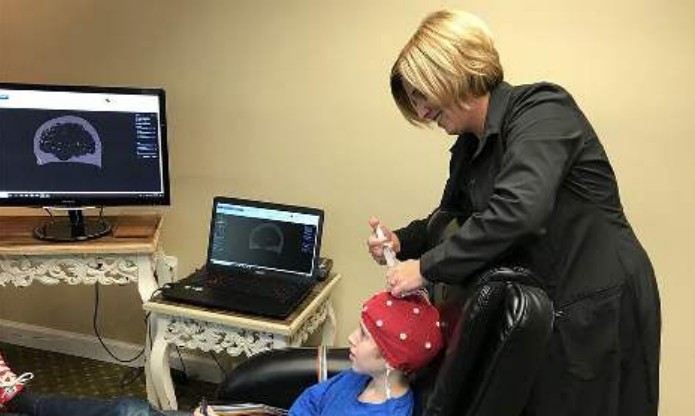 Quantitative EEG, or QEEG, is a method of measuring and analyzing the brain’s electrical activity. While a traditional EEG captures brainwaves in raw form, QEEG goes further by quantifying the data, comparing it to normative databases, and identifying patterns associated with specific cognitive or emotional states.
Here’s how it works:
Unlike traditional psychological assessments, QEEG doesn’t rely on external behavior. It captures what is happening at the neural level, offering a window into how efficient (or inefficient) the brain is functioning.
EEG/QEEG provides a visual and numerical representation of brainwave activity across different areas of the brain. It doesn’t just show whether the brain is active, it reveals how it’s operating, and which regions are overactive, underactive, or out of sync.
Each brainwave frequency is associated with different states of consciousness and cognitive functions. Understanding these frequencies is central to interpreting QEEG data and designing targeted interventions.
1.Delta (0.5–4 Hz)
Associated with: Deep sleep, unconscious processes, and physiological restoration.
Clinical insight: While normal during sleep, excess delta during wakefulness may indicate neurological suppression, cognitive fatigue, or damage to cortical areas. Elevated waking delta is often seen in individuals with brain injuries or severe underarousal.
2.Theta (4–8 Hz)
Associated with: Creativity, drowsiness, daydreaming, internal focus
Clinical insight: Elevated theta, especially in frontal regions, is a common pattern in ADHD. It may be correlated with distractibility, mind-wandering, and difficulty sustaining an external focus. Excessive theta can also be seen in anxiety, trauma,
or dissociative states.
3.Alpha (8–12 Hz)
 Associated with: Calmness, relaxed alertness, restful wakefulness
Clinical insight: Alpha is typically strongest when the brain is in a quiet, idle state. Low alpha may reflect hypervigilance or anxiety, while excessive alpha, particularly in task-relevant areas, may suggest disengagement, depression, or low motivation.
4.Beta (12–30 Hz)
Associated with: Active thinking, concentration, problem-solving, mental engagement
Clinical insight: Adequate beta levels are fundamental for focus and executive function. Excessive beta, especially in the high beta range, can be associated with anxiety, rumination, or rigid overcontrol.
5.High Beta (25–38 Hz)
Associated with: Intense focus, cognitive strain, hyper-alertness, mental stress
Clinical insight: While beneficial in brief bursts for peak performance, sustained high beta may contribute to insomnia, tension, and emotional dysregulation.
Often seen in clients with performance pressure, obsessive tendencies, or chronic stress.
6.Gamma (35–100+ Hz)
Associated with: High-level cognitive integration, sensory processing, insight, consciousness
Clinical insight: Gamma is linked to memory, learning, and complex mental tasks. Elevated gamma may reflect exceptional cognitive performance, but in some cases may also indicate overarousal or unresolved neural excitation. Research into gamma continues to expand.
These patterns do not operate in isolation. Healthy brains shift fluidly between
frequencies in response to task demands. In ADHD and related conditions, certain patterns may become dominant or deficient, disrupting optimal function.
QEEG allows clinicians to observe these dynamics in real-time, revealing how the brain responds to rest, focus, stress, or task engagement. This insight is foundational for identifying the root causes of dysregulation and designing personalized, brain-based interventions.
In the past, QEEG data were compared primarily to databases of “neurotypical” or “healthy” brains. If an individual’s brain activity significantly deviated from this norm, it was flagged as atypical. While useful, this approach had limits, particularly in identifying the type of dysregulation that may be occurring.
Today, clinicians and researchers are building symptom-based EEG profiles, datasets that represent not just healthy brains, but brains with specific conditions like ADHD, anxiety, or depression. This means a client’s QEEG can now be compared not only to what is “typical,” but also to known neurological signatures of various disorders.
This new layer of comparison makes it possible to determine:
These advancements have opened the door to precision diagnostics, a sharp contrast to the symptom-based guessing that characterizes much of traditional mental health care.
ADHD is not a monolithic disorder. Just as individuals experience its symptoms differently, their brains also express distinct patterns of dysregulation. Through QEEG, researchers and clinicians have identified at least eight specific EEG profiles commonly associated with ADHD.
Each profile reflects a unique neural configuration. Some of the most studied include:
1.Excess Frontal Beta Spindling
2.Excess Frontal Theta
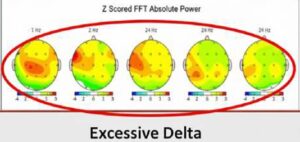
3.High Delta Activity
Dominance of ultra-slow waves in the waking state.
Indicates under-arousal or cognitive fatigue; may mimic ADHD but reflect neurological suppression.
4.Slow Peak Alpha Frequency
5.Frontal Lobe Disengagement (Mu Rhythm)
6.Imbalanced Theta/Beta Ratios
7.Frontal Alpha
Understanding these subtypes is fundamental for designing personalized treatment plans. Two individuals may meet the criteria for ADHD, but one may benefit from neurofeedback targeting excess frontal theta, while another needs support for improving coherence between cognitive control networks.
One of the most compelling insights from QEEG is its ability to detect epileptiform activity, characterized by spikes or bursts of electrical activity that resemble seizures, even when no seizures are observed clinically. This activity can disrupt attention, interfere with memory encoding, and momentarily “erase” awareness, all of which can mimic the symptoms of ADHD.
The value of QEEG is not just in its sophistication; it’s in its objectivity. Behavioral assessments can be influenced by emotion, environment, or observer bias.
QEEG reflects real-time brain function. It shows what the brain is doing, not what someone thinks it’s doing.
This matters for several reasons:
1.Precision Diagnosis
QEEG allows clinicians to distinguish between similar-looking conditions like ADHD, anxiety, learning disabilities, and sleep disorders.
2.Targeted Treatment
With a clear understanding of the brain’s unique patterns, treatment protocols, whether neurofeedback, stimulation, or cognitive training, can be designed with specificity.
3.Avoiding Harm
Misdiagnoses can lead to inappropriate medications, unhelpful therapies, and years of frustration. Imaging reduces the risk of treating the wrong condition.
4.Tracking Progress
QEEG provides measurable benchmarks to assess how a brain is responding to treatment over time.
In the world of medicine, it is standard to image the heart before diagnosing heart disease, or scan a joint before performing surgery. Mental health should be no different. When clinicians can see the brain, they no longer have to guess.
ADHD is not a uniform disorder. It is a spectrum of neurophysiological presentations, each requiring a unique lens of understanding. With tools like QEEG, the field is shifting from generalized diagnostic labels to personalized neuroprofiles, from surface-level symptoms to deep-rooted brain patterns.
This is the essence of the new paradigm: care that is informed by the brain, not just by behavior. And for those living with attention difficulties, emotional dysregulation, or misdiagnosed symptoms, this approach offers more than scientific progress; it offers clarity, validation, and a path to meaningful change.
Modern neuroscience has opened the door to a new generation of assessment tools that allow clinicians to observe the brain’s internal workings in real-time. These tools do more than measure behavior; they measure biology, providing objective data about how the brain functions, processes information, and communicates with the body.
Here, we explore the primary tools used in brain-based ADHD assessment at Bhakti Brain Health Clinic. Each tool contributes to a complete, individualized understanding of a person’s functioning and helps move assessment from generalization to precision.
As introduced in the previous chapter, quantitative EEG (QEEG) allows clinicians to map the brain’s electrical activity and identify patterns associated with ADHD and related conditions. In addition to static brain mapping, clinicians can also observe how the brain responds to stimuli in real time, using event-related potentials (ERPs).
ERPs are brief changes in the brain’s electrical activity in response to specific events or stimuli, such as a flash of light, a sound, or a cognitive task. These responses are measured in milliseconds and can reveal how quickly and efficiently the brain is processing information.
ERPs are particularly useful in ADHD assessment because they help evaluate:
For instance, if a person shows delayed or diminished ERP signals when performing a task, it may indicate that their brain is not processing incoming information efficiently, even if their outward behavior seems typical. These delays can be key indicators of neurological dysregulation that may not appear in standard cognitive testing.
QEEG and ERP data together provide a dynamic picture: QEEG reveals the resting state of the brain, while ERP shows how the brain responds and adapts under demand. This dual perspective is fundamental in identifying specific dysfunctions related to ADHD and differentiating them from other conditions.
While neuroimaging provides insight into brain activity, neurocognitive assessments examine how that activity translates into real-world mental performance. These assessments evaluate the brain’s functional output through standardized tasks designed to assess a wide range of cognitive abilities.
These assessments may be conducted through computer-based tasks, interactive exercises, or paper-and-pencil tests. The goal is to identify strengths, weaknesses, and establish a cognitive baseline.
Comparing results before and after interventions (e.g., neurofeedback, stimulation, or medication) helps clinicians track objective improvements in mental performance. Neurocognitive assessments are also invaluable in identifying discrepancies; for instance, a child may exhibit strong verbal reasoning but weak processing speed, indicating specific areas of dysregulation that may contribute to ADHD-like symptoms.
When paired with QEEG, neurocognitive assessments provide a complete clinical picture, combining neurological function with cognitive performance to guide treatment.
The brain does not operate in isolation. It is constantly in communication with the autonomic nervous system (ANS), which governs heart rate, respiration, digestion, and other important bodily functions. When the brain is dysregulated, it often leads to autonomic dysregulation, and vice versa.
In ADHD and related conditions, ANS imbalances may manifest as:
By monitoring the ANS, clinicians can observe how an individual’s nervous system
responds to stress, stimulation, and regulation protocols. This is particularly relevant in treatment design, where brain-based therapies aim not only to improve cognition but also to restore balance across the entire nervous system.
One of the most effective ways to assess the autonomic nervous system is by measuring Heart Rate Variability (HRV). HRV is not simply about how fast the heart beats, but rather how much the time between each beat varies; a reflection of how flexible and adaptive the nervous system is.
 High HRV is generally a sign of a healthy, responsive nervous system. It means the body is capable of rapidly adjusting to stress and returning to a state of calm. Low HRV, on the other hand, often indicates nervous system rigidity or dysregulation, which is commonly seen in people with ADHD,anxiety, or chronic stress.
In clinical terms:
At BBHC, HRV monitoring is often integrated into assessment and treatment. It
serves as a real-time marker of physiological regulation and a feedback mechanism to evaluate treatment effectiveness.
Traditional assessment tools focus on how a person behaves. Brain-based tools reveal why they behave that way. Through technologies like QEEG, ERPs, neurocognitive assessments, and autonomic nervous system monitoring, clinicians can uncover the complex relationships between brain activity, mental performance, and physiological regulation.
These tools form the foundation of precision neurotherapy, allowing clinicians to create personalized, data-driven treatment plans that address underlying symptoms.
The future of ADHD care is not just in seeing the brain; it’s in training it.
For many individuals diagnosed with ADHD, the standard treatment pathway includes stimulant medications, such as methylphenidate or amphetamines. While these medications can provide short-term benefits for some, they also carry risks: appetite suppression, sleep disruption, mood changes, and, for a significant portion of individuals, diminishing efficacy over time.
As families, educators, and clinicians increasingly seek alternatives, a growing body of research supports the use of non-pharmaceutical, brain-based interventions; methods that target neurological dysregulation at its source rather than suppressing symptoms.
At Bhakti Brain Health Clinic, these interventions form the cornerstone of a brain- optimization model. This chapter explores four of the clinic’s most effective, science-backed tools:
Each method is designed not to medicate the brain, but to train it; strengthening regulatory capacity, enhancing performance, and building lasting change.
Neurofeedback is a form of biofeedback that uses real-time brainwave data to help individuals learn how to regulate their brain activity. It is a non-invasive, evidence-based technique that targets specific areas of dysregulation identified during QEEG assessments.
This process leverages the brain’s inherent neuroplasticity; its ability to reorganize and form new neural connections in response to repeated experience.
Research and clinical experience have shown that neurofeedback can improve:
In ADHD populations, neurofeedback is particularly effective at targeting inattention, hyperactivity, and emotional reactivity, without the side effects associated with medication. It also provides long-lasting changes, as the brain builds and reinforces new regulatory patterns.
Audio-Visual Entrainment (AVE) is another tool for enhancing brain function, utilizing pulsing light and sound to gently guide the brain into regulated states. It is especially useful for individuals with ADHD who experience difficulty initiating or sustaining focus, calming their minds, or managing emotional swings.
How It Works
The effect is similar to a pacemaker for brainwaves: AVE gently nudges the brain into states associated with focus, relaxation, alertness, or sleep, depending on the protocol used.
 Protocols and Use Cases
The AVE device typically includes multiple preset programs targeting:
AVE is highly accessible; easy to use at home, non-invasive, and well-tolerated by both children and adults. Clients frequently report immediate improvements in reading ability, attention span, and relaxation, sometimes after a single session.
At BBHC, AVE is often used in tandem with neurofeedback or as a daily at-home practice to reinforce brain training sessions and support ongoing regulation.
Transcranial brain stimulation refers to techniques that deliver low-intensity electrical or electromagnetic currents to the brain to enhance or modulate neuronal activity. At BBHC, two main forms are used:
tACS delivers oscillating electrical currents at specific frequencies across the scalp to synchronize brainwave activity. It is used to:
tDCS provides a constant, low-intensity current to targeted brain regions, enhancing or inhibiting activity depending on the placement of electrodes. It is effective in modulating executive functions, supporting cognitive control, and addressing emotional dysregulation.
How It’s Applied:
Research and Applications:
Numerous studies have demonstrated the effectiveness of transcranial stimulation in:
When applied correctly, transcranial stimulation is safe, effective, and offers another layer of support, particularly for clients who do not respond well to medication or who are seeking drug-free alternatives.
Photobiomodulation involves the use of red or near-infrared light to stimulate cellular repair and optimize brain function. It is a rapidly expanding field backed by research in neurorehabilitation, aging, and mood disorders.
How It Works
Devices and Delivery
Photobiomodulation can be delivered via:
What It Helps
Photobiomodulation has shown promise in:
At BBHC, photobiomodulation is often used as part of a comprehensive brain
health program, particularly for clients who experience low energy, high inflammation, or treatment-resistant symptoms. Its effects are cumulative and best realized with consistent use.
Non-pharmaceutical interventions are a profound shift in how ADHD and related conditions can be addressed. Rather than masking symptoms with external agents, these methods train the brain from within, leveraging its natural capacity to change, adapt, and self-regulate.
From neurofeedback to audio-visual entrainment and transcranial stimulation, each tool offers unique benefits. When guided by objective data such as QEEG, ERP, and neurocognitive profiles, these interventions become part of a targeted, personalized treatment strategy.
For families seeking an alternative to medication, for individuals whose symptoms remain unresolved, or for clinicians striving to do better, these technologies offer a new frontier: not just in managing ADHD, but in optimizing the brain itself.
The impact of brain-based assessment and intervention is not theoretical; it is deeply personal. For many individuals and families, the journey to clarity, regulation, and lasting improvement begins when their symptoms are finally understood not as labels, but as expressions of underlying neural patterns.
Here, we illustrate how advanced tools, such as QEEG, neurofeedback, and audio- visual entrainment, have improved clinical outcomes at Bhakti Brain Health Clinic. It includes a family case study where traditional ADHD diagnoses were challenged, as well as examples of how clients have responded to non-pharmaceutical interventions once their true brain function was understood.
 A Family Case Study: ADHD or Epileptiform Activity?
A mother arrived at BBHC with her three daughters, all of whom had been diagnosed with ADHD. The children were experiencing academic difficulties,
emotional regulation issues, and social challenges, hallmarks of attention-related disorders. The mother herself had also carried an ADHD diagnosis since childhood.
On the surface, the clinical picture aligned with ADHD. When we conducted QEEG scans, the results told a different story.
All four individuals, the mother and her three daughters, exhibited epileptiform activity on their EEGs. This activity was characterized by bursts of theta waves that disrupted normal brain functioning. These surges of electrical energy were not seizures per se (as only a neurologist can confirm seizure activity), but they were clear markers of neurological instability that significantly affected moment-to- moment cognitive processing.
The clinical team used a simple metaphor to describe what was happening: imagine a teacher writing on a whiteboard. Every few seconds, someone walks up and erases part of the writing, just as the teacher continues to add new information. The result is fragmentation: a brain that is constantly trying to reconstruct what it just lost.
To the outside world, this manifests as classic inattentive ADHD: missed details, inconsistent memory, and difficulty following instructions. At the neurological level, these individuals were not inattentive; they were being interrupted by internal brain activity beyond their control.
Unfortunately, despite being presented with this new data, the family chose to continue with standard ADHD treatments, including stimulant medications and talk therapy. Over time, the children continued to struggle, with little or no improvement.
This case illustrates a fundamental point: ADHD symptoms do not always reflect ADHD biology. Without brain imaging, underlying epileptiform activity may go undetected and untreated.
Stories like this are not uncommon. At BBHC, approximately 50% of clients who arrive with an ADHD diagnosis do not show EEG biomarkers consistent with the disorder. Many of them have been labeled for years, prescribed medications, and cycled through therapies with limited success.
In some cases, imaging reveals:
In one example from the clinic’s educational content, a client undergoing neurofeedback exhibited over 500 dysregulation metrics in real-time. These were tracked through live EEG readings and standardized comparisons to healthy brains. As training progressed, these metrics were brought into alignment through targeted neurofeedback protocols, customized to the client’s specific EEG profile.
The message is clear: behavioral symptoms are the end result of complex, internal processes. When those processes are misunderstood, treatment becomes trial and error. When they are revealed, treatment becomes precise.
Once a brain-based treatment plan is in place, clients often report significant improvements across multiple domains, not just in attention, but also in memory, emotional regulation, and general quality of life.
During neurofeedback sessions at BBHC:
Audio-Visual Entrainment (AVE) is also widely used. Clients wear goggles and headphones that deliver pulsing light and sound, guiding the brain into specific frequency states associated with calm, focus, or sleep.
An example from the clinic’s experience describes a child who struggled to read
even a few lines of text. After beginning an AVE protocol, the same child was
able to read an entire paragraph fluently and explain its meaning. These gains are not magic; they are the result of real-time neuroregulation, giving the brain the structure and rhythm it had been lacking.
Clients using AVE devices at home often report:
The most striking feature of these interventions is their gentleness. They do not force the brain to change; they simply show it a better way to function, and the brain, when properly guided, adapts.
Behind every EEG scan, every QEEG map, and every protocol lies a person: a child, a parent, or a professional seeking answers. The stories from BBHC illustrate that when we image the brain, we stop guessing, and when we stop guessing, we start healing.
Whether it’s discovering that ADHD isn’t ADHD, or watching a struggling reader become a confident learner, the power of brain-based assessment is clear. It changes lives not because it treats symptoms better, but because it addresses the underlying cause.
No two brains are the same, and neither are the lives, environments, or challenges of the people they belong to. While traditional ADHD treatment often follows a standardized path, true healing requires personalization: a tailored approach that honors the unique neurological, cognitive, and emotional profile of each individual.
At Bhakti Brain Health Clinic, personalization is not just a philosophy; it is the foundation of care. Here, we explore how brain-based data, behavioral insights, and real-time metrics are combined to create individualized ADHD treatment plans. These plans target symptoms and also support long-term brain optimization, empowering clients with tools that adapt to their needs and grow with them over time.
Effective ADHD care begins with comprehensive assessment, not only of how a person behaves, but of how their brain operates behind the scenes.
At BBHC, this process includes:
The data alone is not enough.
Each client’s lived experience, their struggles in school, challenges at work,
emotional regulation in relationships, and history with previous diagnoses or medications, adds key context. It is the intersection of data and behavior that forms a full-spectrum view of the client.
For instance:
By integrating subjective symptoms with objective neuroscience, the clinical team can move beyond labels and create treatment plans rooted in truth.
Once a full assessment is complete, clinicians design a plan that reflects the individual’s unique neuroprofile. No two treatment plans are identical because no two brains are.
Treatment may include various combinations of:
In contrast to conventional ADHD care, that often begins and ends with stimulant
medication, these personalized plans are dynamic. They adapt based on progress, client feedback, and ongoing clinical insights.
For instance, if a client shows significant improvement in attention but continues to struggle with emotional regulation, protocols are adjusted to target the relevant networks. This iterative approach makes sure that treatment evolves with the client, rather than the client being expected to conform to a static protocol.
Sustainable results require consistency. To support this, BBHC designs treatment plans that integrate clinic-based sessions with home-based tools.
In-Clinic Interventions
At-Home Tools
This hybrid approach maximizes treatment reach, enabling clients to apply their self-regulation strategies in daily life. It also reduces reliance on clinic visits, making care accessible, flexible, and empowering.
Clients often report that home-based tools, particularly AVE and neurofeedback
headsets, give them a sense of control and participation in their healing journey. Parents, too, benefit from structured protocols they can trust and follow at home, often seeing visible gains in mood, sleep, and school performance within weeks.
In traditional ADHD treatment, progress is often gauged through anecdotal reports: “He seems calmer,” or “She’s doing better in school.” While these observations are important, they are subjective and can be influenced by mood, context, or bias.
In brain-based care, progress is measured objectively, using:
Clients are shown visual proof of their progress, brainwave patterns becoming stable, coherence improving, ERP responses becoming faster. This reinforces engagement and also provides clinical clarity about what’s working and what needs refinement.
For children, this kind of data-driven progress tracking helps reduce stigma. Rather than being told they are “bad at focusing,” they can see that their brain is learning a new skill, just like building a muscle. For adults, it offers validation that their struggles have a neurological basis and that real, measurable change is possible.

Personalized ADHD care is not about giving everyone the same solution; it’s about giving each person the right solution.
By combining brain imaging, cognitive testing, and emotional assessment, BBHC creates a full-spectrum view of each individual. Treatment plans are crafted, adjusted, and optimized using the most advanced tools in neuroscience, guided not by assumptions, but by data.
This personalized and integrative model is more effective and humane. It honors each client’s story, supports their unique brain, and empowers them to take ownership of their transformation.