 Buy or rent our products online!

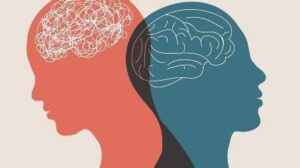
 In Alzheimer’s disease, two abnormal proteins play central roles: amyloid-beta and tau.
 Brainwaves are rhythmic patterns of electrical activity, and each frequency range is associated with particular states of mind:
 Just as muscles adapt to repeated exercise, brain networks adapt to repeated feedback, gradually shifting toward more balanced and efficient functioning.
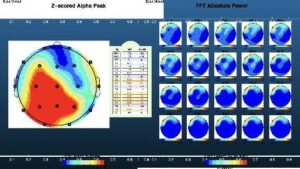
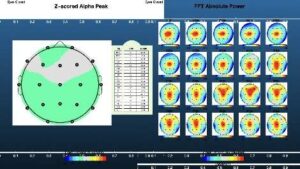
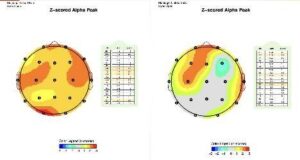
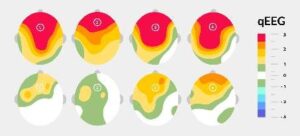 The process begins with quantitative EEG (qEEG), a non-invasive assessment that measures brainwave activity across multiple regions of the brain. This assessment generates a detailed brain map that reveals:
 The program follows a structured, step-by-step process:
Can the brain be guided by sound alone?
Sound stimulation for brain health is based on a phenomenon known as brainwave entrainment—the brain’s natural tendency to synchronize its electrical rhythms with external, repetitive stimuli. When the brain is exposed to a steady pulse or beat at a specific frequency, neurons often begin firing in time with that rhythm.
One of the most widely studied forms of sound-based entrainment is binaural beats:
A slightly different tone is played in each ear (for example, 400 Hz in the left ear and 440 Hz in the right)
The brain perceives the difference between the two tones—in this case, 40 Hz—as a rhythmic beat, even though that beat is not physically present in the sound
This perceived rhythm can encourage brainwave activity at the same frequency, such as gamma (40 Hz) for memory and attention, alpha for relaxation, or delta for sleep
Other methods use isochronic tones, which are single tones pulsed on and off at precise intervals, or rhythmic music with embedded frequencies to achieve similar entrainment effects.
Combining Sound with Neurofeedback for Deeper Results
When paired with neurofeedback, audio entrainment can reinforce brain training goals in several important ways:
Priming the brain: Starting a session with rhythmic sound can help the brain shift toward the target frequency before neurofeedback begins
Enhancing focus: Gamma-frequency sound stimulation (40 Hz) may improve concentration, making neurofeedback exercises more effective
Reinforcing learning: Listening to targeted frequencies after neurofeedback can help the brain stabilize newly learned patterns, supporting longer-lasting benefits
 This synergy works because neurofeedback trains the brain through real-time internal feedback, while audio entrainment provides an external rhythmic guide that helps maintain alignment with training goals.
Everyday Applications for Home Use
One of the major advantages of audio entrainment is its flexibility. It can be used outside the clinic, making it a practical tool for daily brain support. Common applications include:
Morning cognitive boost: Listening to 40 Hz gamma pulses or upbeat isochronic tones to enhance mental clarity
Pre-work or study sessions: Using beta or low-gamma rhythms to increase alertness and focus
Evening wind-down: Shifting to alpha or theta entrainment to promote relaxation
Sleep support: Delta-frequency sessions to encourage deeper, more restorative sleep
When combined with light therapy, home neurofeedback tools, and healthy lifestyle habits, sound entrainment becomes part of a comprehensive, multi-modal brain wellness routine.
Sound may seem like a simple tool, but when used at the right frequency and at the right time, it can gently guide the brain toward healthier rhythms—supporting clearer thinking, steadier moods, improved memory, and better overall brain function.
 Every chapter in this guide points to one essential truth: the brain responds to care. Technologies such as qEEG-guided neurofeedback, gamma wave stimulation, photobiomodulation, and sound entrainment are not speculative concepts. They are grounded in research and increasingly applied in real-world clinical settings.