Buy or rent our products online!
You know you are not actually hungry. You had dinner two hours ago. But something stressful happened today, or you are bored, or there is just a restlessness inside you that food seems to quiet at least momentarily. Before you have fully decided to, you are standing at the pantry. And then afterward, there is the familiar mix of temporary relief followed by frustration with yourself.
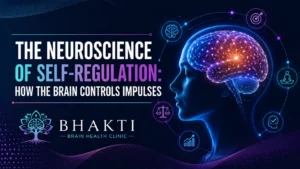
Emotional eating is not a willpower problem, even though it is often described as one. It is a brain-regulation problem. The same neural circuits that drive compulsive behaviors, impulsive decision-making, and reward-seeking in other contexts are operating when food becomes a primary coping mechanism. Understanding what is happening in the brain specifically in the dopamine reward system and the impulse regulation networks is the first step toward a more effective and compassionate approach to change.
Understanding Emotional Eating and Impulse Control
Emotional eating refers to the use of food as a way to manage emotional states stress, boredom, loneliness, anxiety, or even positive emotions like celebration. It is distinct from physical hunger, which builds gradually and is satisfied by most foods. Emotional hunger tends to be sudden, specific (craving particular types of food, often high in fat, sugar, or salt), and often continues beyond physical satiation.
Impulse control refers more broadly to the ability to pause between a stimulus and a response to experience an urge without automatically acting on it. Poor impulse control is associated with a range of behaviors beyond eating: impulsive spending, substance use, angry outbursts, risk-taking, and difficulty delaying gratification. These challenges often share a common neurological thread.
Emotional eating and impulse control difficulties frequently coexist with anxiety, ADHD, trauma histories, depression, and chronic stress. Understanding the underlying neurological landscape is essential for developing an approach that actually addresses the root cause rather than simply applying more willpower which rarely works sustainably.
What Happens in the Brain with Emotional Eating
The dopamine reward system a network of brain structures including the nucleus accumbens, ventral tegmental area, and prefrontal cortex plays a central role in emotional eating. Dopamine is often described as the pleasure neurotransmitter, but its function is more precisely described as motivational salience: it signals that something is worth pursuing. Eating highly palatable food food that is sweet, fatty, salty, or calorie-dense triggers a significant dopamine release.
Chronic stress depletes dopamine and suppresses reward sensitivity. When the reward system is under-stimulated as it often is during periods of stress, anxiety, or emotional flatness the brain seeks quick sources of dopamine restoration. High-calorie, high-palatability foods offer exactly that. This is not a character flaw. It is the brain taking the shortest available path to feeling better.
The prefrontal cortex, which is responsible for impulse inhibition, planning, and overriding immediate gratification in favor of longer-term goals, is significantly impaired by stress, sleep deprivation, and chronic anxiety. This means that exactly when emotional eating is most likely to occur, the brain’s regulatory center is least capable of intervening.
How Brain Mapping Provides Insight into Impulse Control
A qEEG brain map can identify patterns associated with poor impulse regulation and reward system dysregulation. Reduced activity in the prefrontal cortex, patterns linked to chronic hyperarousal, or markers of dopamine dysregulation can all be identified through brain mapping. This information helps clarify whether impulsive behaviors are being driven by anxiety, attentional difficulties, reward system irregularities, or combinations of these factors.
This distinction matters for treatment. Someone whose impulse control difficulties are primarily driven by anxiety may benefit from different interventions than someone whose patterns are more consistent with ADHD-related dopamine dysregulation. Brain mapping can help differentiate these profiles.
How Neurofeedback May Support Impulse Control and Eating Regulation
Neurofeedback training may help support impulse control by strengthening the prefrontal cortex’s regulatory capacity. Protocols designed to increase slow-wave cortical activity in relevant regions may support the brain’s ability to pause, reflect, and choose before acting on an impulse. This is not about suppressing appetite or desire it is about building the neural infrastructure for genuine choice.
Research on neurofeedback and reward system regulation is growing. Some studies have explored the use of neurofeedback for substance use disorders, binge eating, and impulsive aggression, with results suggesting that training can produce measurable changes in self-regulation capacity. While this area continues to develop, the evidence base is promising for individuals who have found conventional behavioral approaches insufficient.
Neurofeedback does not change what you want it may help you develop more choice about whether and when you act on those wants. For many people, this is precisely the shift that makes lasting behavioral change possible.
Practical Strategies That Support Self-Regulation and Emotional Health
Addressing the emotional drivers of eating requires both neurological and behavioral work. Regular exercise is one of the most reliable natural dopamine regulators it supports the reward system without the rapid spike-and-crash of food-based dopamine. Consistent, adequate sleep restores prefrontal cortical function overnight, directly improving self-regulatory capacity for the following day.
Building awareness of emotional states before reaching for food can gradually create a pause that opens up choice. This is not about judgment it is about curiosity. Asking ‘what am I actually feeling right now?’ can interrupt the automatic pathway between discomfort and eating.
Stress management is foundational. If chronic stress is continuously depleting the reward system and impairing the prefrontal cortex, behavioral strategies are fighting an uphill battle. Addressing the stress at a neurological level creates better conditions for behavioral change to take hold and persist.
When to Seek Professional Support
If emotional eating or impulse control difficulties are causing significant distress, affecting your health, or feeling genuinely out of your control, professional support is appropriate. A brain-based assessment can help clarify the neurological patterns involved and inform a personalized approach.
It is also worth addressing any underlying anxiety, depression, ADHD, or trauma history that may be contributing to the picture. Treating the whole neurological landscape tends to produce more sustainable results than targeting any single behavior in isolation.
Conclusion
Emotional eating is not a lack of discipline. It is the brain doing exactly what brains do seeking the fastest available path to relief in a moment of distress. Understanding this is not an excuse; it is an invitation to address the underlying neurological patterns rather than repeatedly trying to overpower them with willpower. With the right support, the brain can develop greater self-regulatory capacity, and the grip of automatic, stress-driven behaviors can loosen creating genuine space for choice, health, and a more peaceful relationship with food and with yourself.